Author Archive

Scrap your Car!

Samstag, April 11th, 2009

… but please don’t buy a new one.

Maybe you don’t know it, but in Austria and Germany you get some money right now if you scrap your old car and buy a new one instead. It’s meant to be an encouragement for the economy, at times of the financial crisis. In my opinion this is completely bullshit, because I believe cars are not sustainable. They are just energy consuming, space consuming (even worse) and a major factor of pollution (exhaust fumes, noise) in our cities. And they cause a lot of accidents, many of them lethal (the new cars, which are usually bigger are much more dangerous – not for the people inside, but outside).

The car industry is in a crisis right now (I can’t say, that I’m not happy about this). But does this measure really help? Okay, they can produce a lot of new cars right now … but what next? Who will buy a new car in half a year? or in a year? Don’t all this people who plan to buy a car soon buy it now? So the next crisis will come soon … And what to do then?

I would love to see an encouragement of our government(s) and municipalities to use other means of transportation. In Public Transportation there are a lot of sustainable jobs (building new buses, trams and metros, construction of new lines, drivers, mechanics, …). Cycling – maybe not so many jobs, but most of them are in small or medium sized companies.

Happily, I’m not the only one, who thinks like this:

  • The German city of Mannheim introduced a bonus if you get rid of your old bike and buy a new one instead.
  • The „Verkehrsclub Deutschland“ demands a national wide bonus for users of public transportation, cycling and other means of transportation.
  • ig-fahrrad.at (the young lobby for cyclists in Austria) demonstrates against the scraping bonus for cars and demands the promotion of cycling.
  • „Argus – Die Radlobby“ (lobby for cyclists in Austria) introduced their own bonus – there’s a discount on a new „KTM – Velvet“ of 250€ if you buy it now.
  • The VCÖ (Verkehrsclub Österreich) started a petition for a bonus of 100€ if you buy a new bike or a yearly ticket for public transportation.
  • Die Grünen think the scraping bonus is just a bad April Fool’s joke and demand that the 25 Mio € should be invested into improvements to public transportation.

Now in our financial crisis we could have an opportunity to change the societies values. Our cities could be so much nicer if we have less cars. People wouldn’t go to big shopping centres but use shops in their neighbourhood – good for traffic reduction, good for the local economy.  Unfortunately I don’t see it happen. But the next crises will come soon, I’m sure about it.

Maybe people (and politicians) start to think (I doubt it).

What do you think? Do you have good ideas? Have you heard about other activism of groups?
Good bye, Niki List

Freitag, April 3rd, 2009

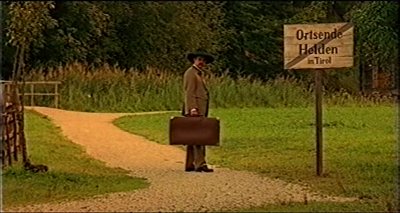
On Wednesday one of the greatest Austrian film directors surprisingly died, Niki List. Thanks for „Müllers Büro“ and „Helden in Tirol“, I will never forget them.

Niki List

*drumroll* The OpenStreetBrowser

Dienstag, März 24th, 2009

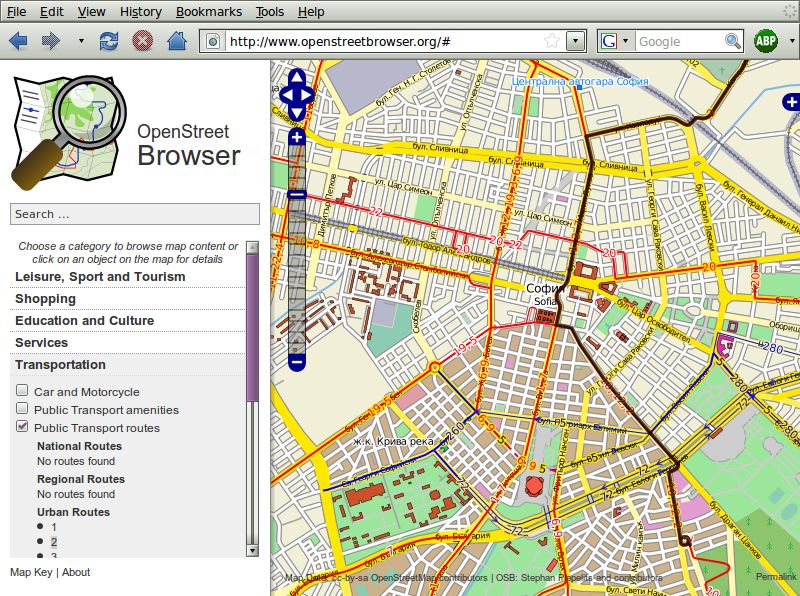
I’m very happy, that I finally can publicly announce the project I was working on the last months. I already told you about the OpenStreetMap, this astonishing project with the goal of creating a free map (as in free speech and in free beer) of the world. The great thing about it … you can take the data, use your imagination and think of better ways to visualize the data. And I used my imagination and creativity and created the OpenStreetBrowser.

On the webpage you have a „Slippy Map“, as you know it from the OpenStreetMap Homepage or commercial services like Google Maps. But on the left side you can investigate the current map view. Get a list of Pubs or the Public Transport routes or a list of street names. When appropriate a thematic overlay is displayed. Just play with it, you will see you can’t stop :) If you want to get more information about an object, then just click on it on the map.

Screenshot of OpenStreetBrowser
So. I don’t want to go into more detail here. Just give it a try. If you want more information there’s a page in the OpenStreetMap-Wiki for the project.

Disclaimer: The project is not finished yet, it’s still a big construction site. So, please be patient if it gets slow or if you find bugs (please report them here) or something is still missing.

I want to send special thanks to Manuela for talking and encouraging and for sure for the web design. I’m looking forward for further co-operation. And I also want to thank Monika for mental assistance :)

Welcome to my new Blog!

Sonntag, März 22nd, 2009

Hi everybody! Welcome to my new blog on plepe.at. I finally decided, that I’m not totally happy with twoday.net and had planned to buy my own domain anyway … So here it is.

To have all the stories of my blog together I copied all of them from my old address plepe.twoday.net. But unfortunately I couldn’t copy the comments you wrote me. So you will find these on my old address.

Just to tease you a little bit: You can expect a very exciting post here … at least I’m totally excited about it :) I’m finally gonna present you my project!

Snowhiking in Stara Planina

Sonntag, März 22nd, 2009

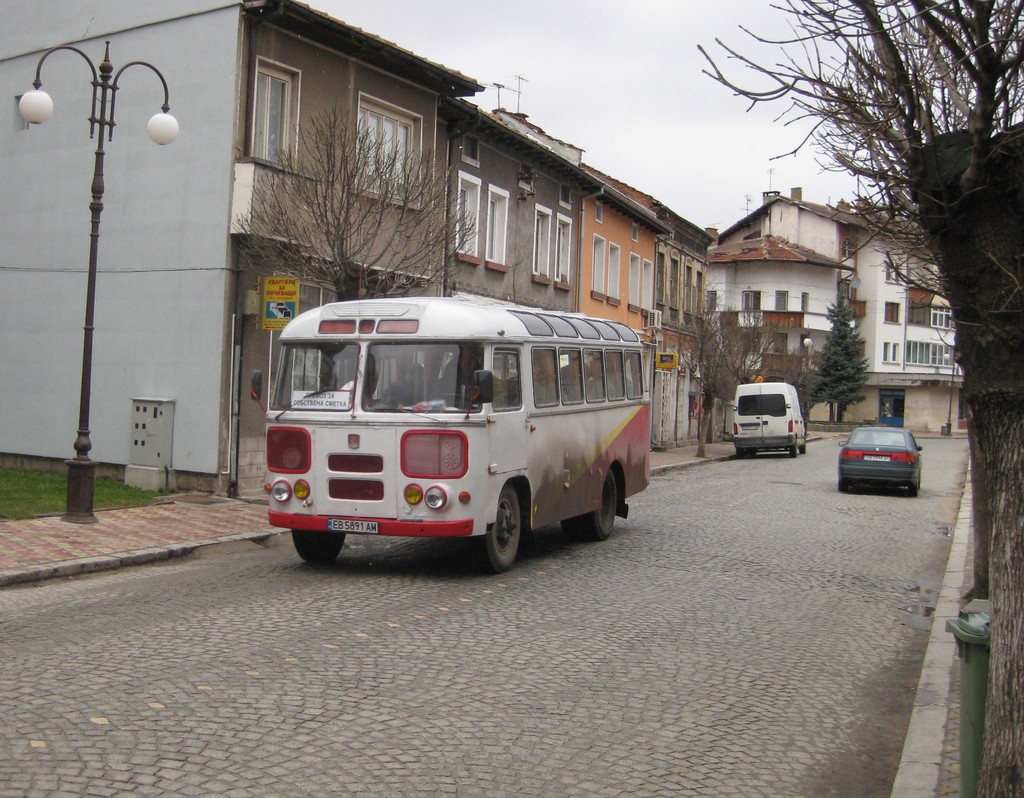
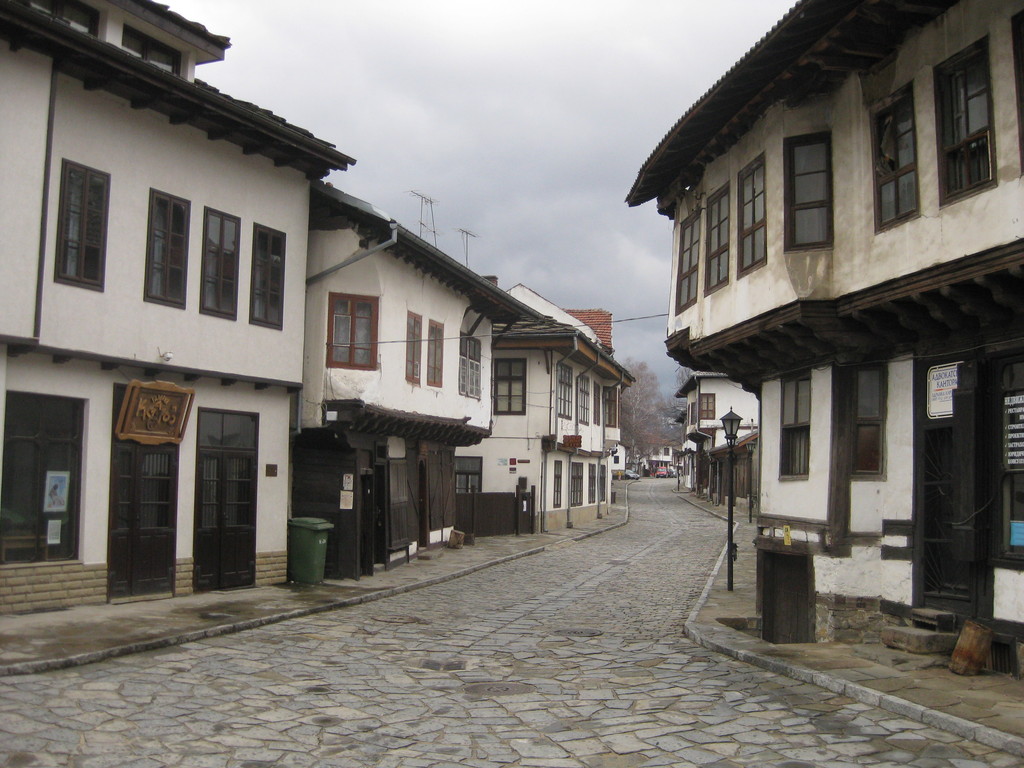
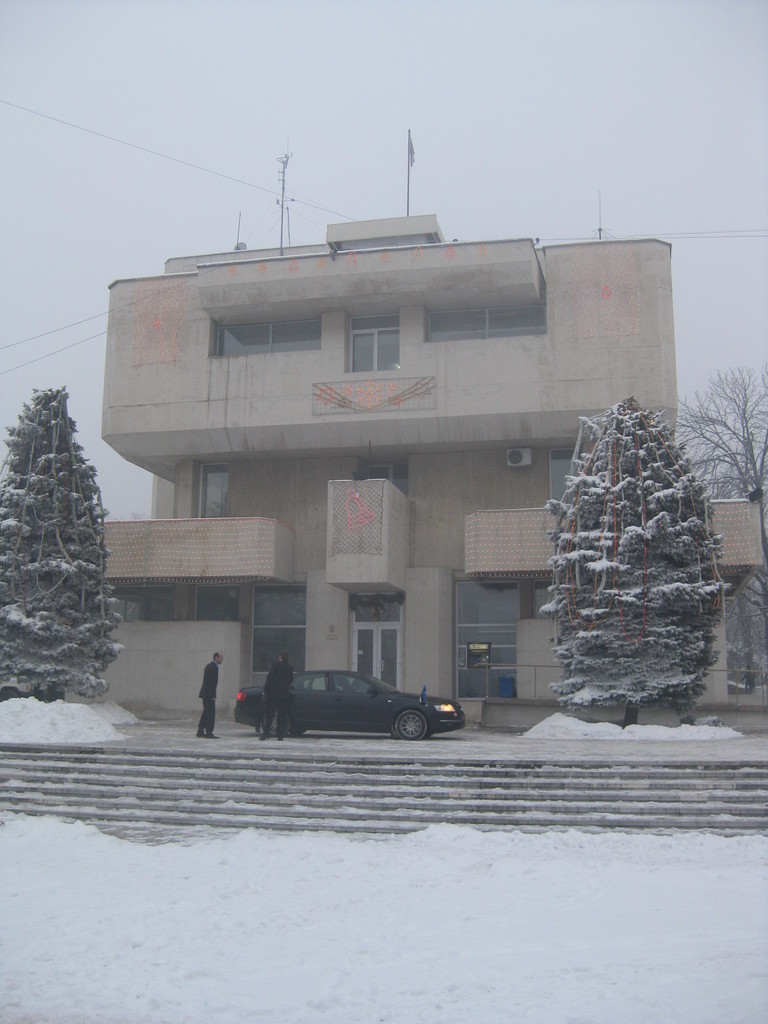
Last weekend we decided it’s time for our long planned trip to Stara Planina. I came in early morning (at 6:30) to Triavna, a touristic town with a historic town centre. But it looked really nice, maybe because everything was still closed?
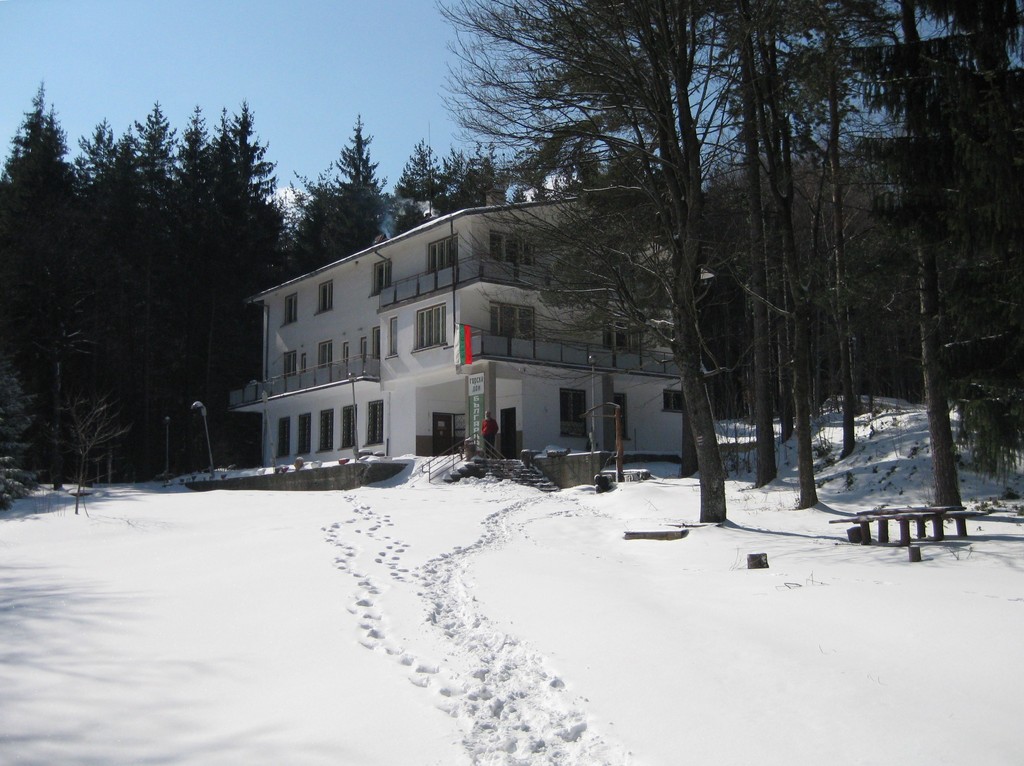
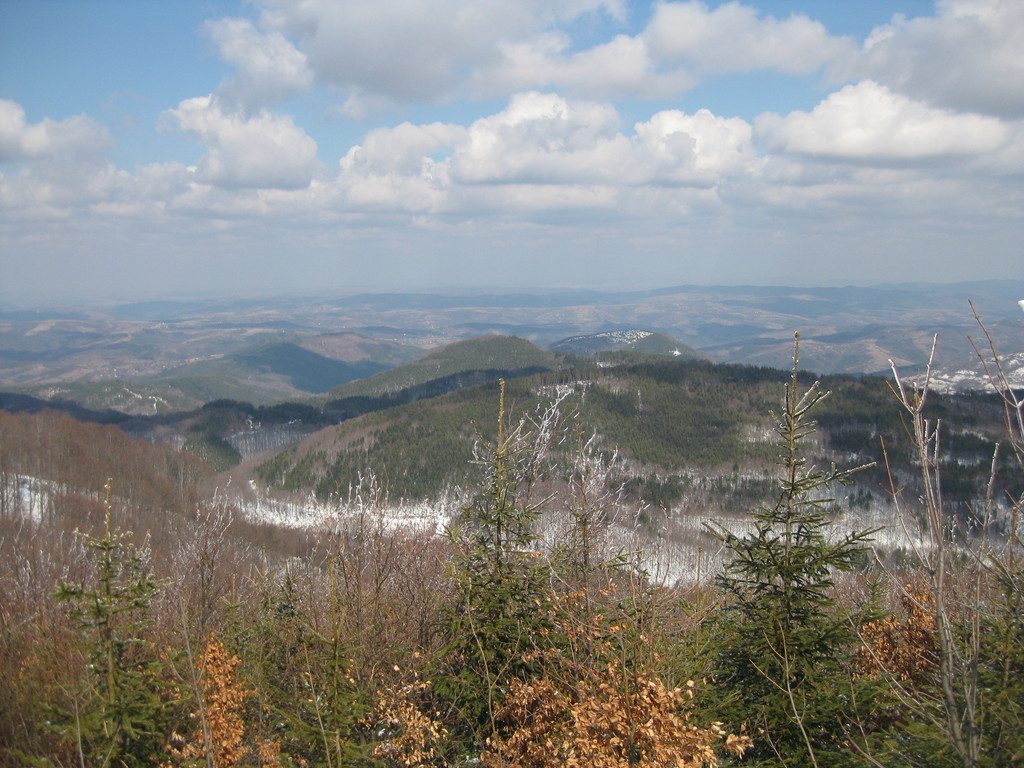
Later in the morning we started our trip to Stara Planina. Unfortunately the weather was not very nice … cold, snowy and foggy. After a comfortable night in the mountain hut „Bulgarka“ (named after the nature reserve park with the same name) we could enjoy hiking much more, as it was beautiful sunny :)

By the way: I can’t stand snow anymore, this week it was snowing again and it’s cold!

Mighty Sighişoara and Mediaş

Montag, Februar 2nd, 2009

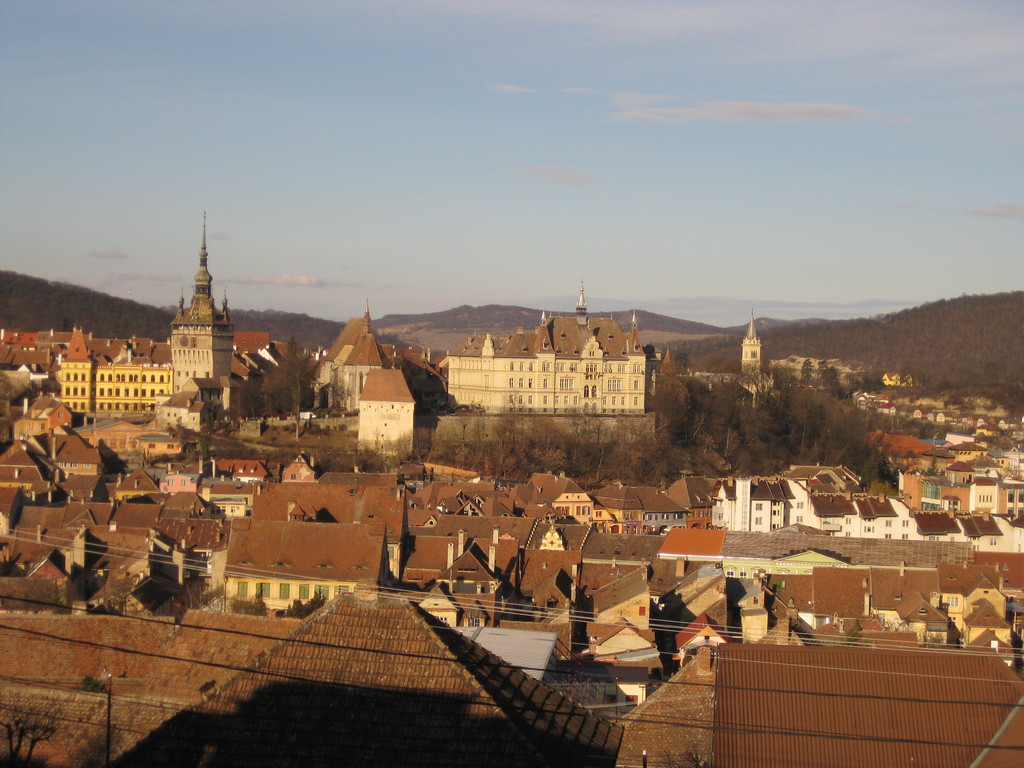
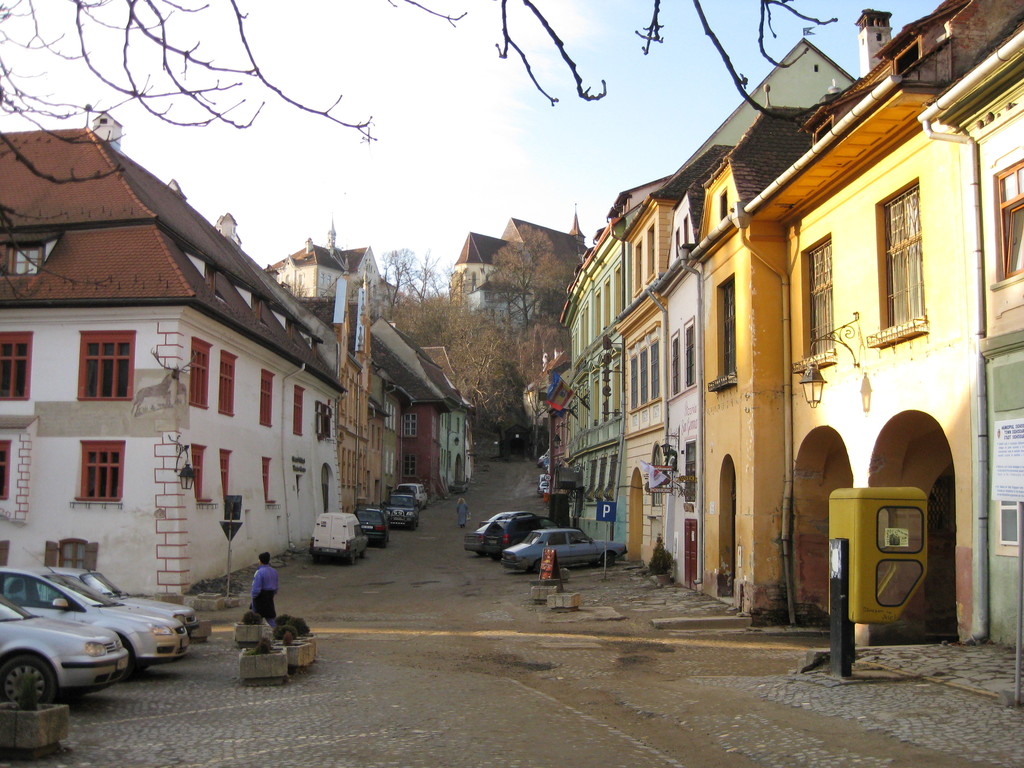
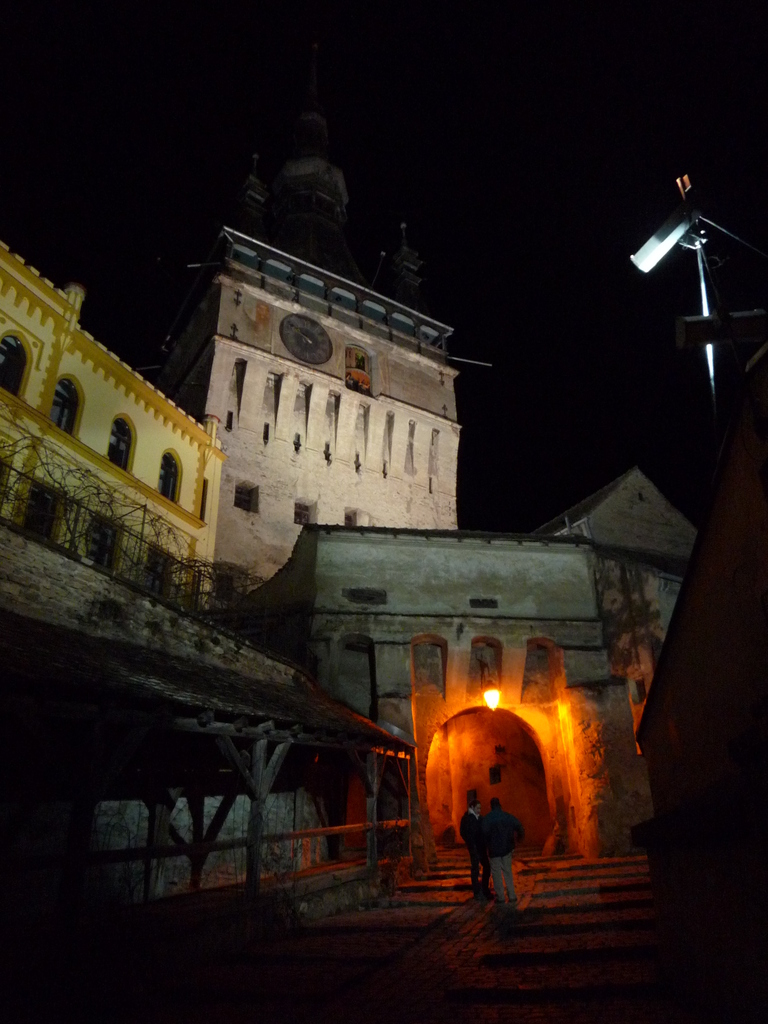
I decided to spend one night and one day in Sighişoara (German: Schässburg), which is a UNESCO World Heritage Site (I think I should start to compile a list of World Heritage Sites that I’ve already seen). It’s a little town with 30.000 inhabitants, topped with a citadel (a kind of inhabited castle). The citadel was built in the 12th centry by German settlers, and still looks like a medieval place.

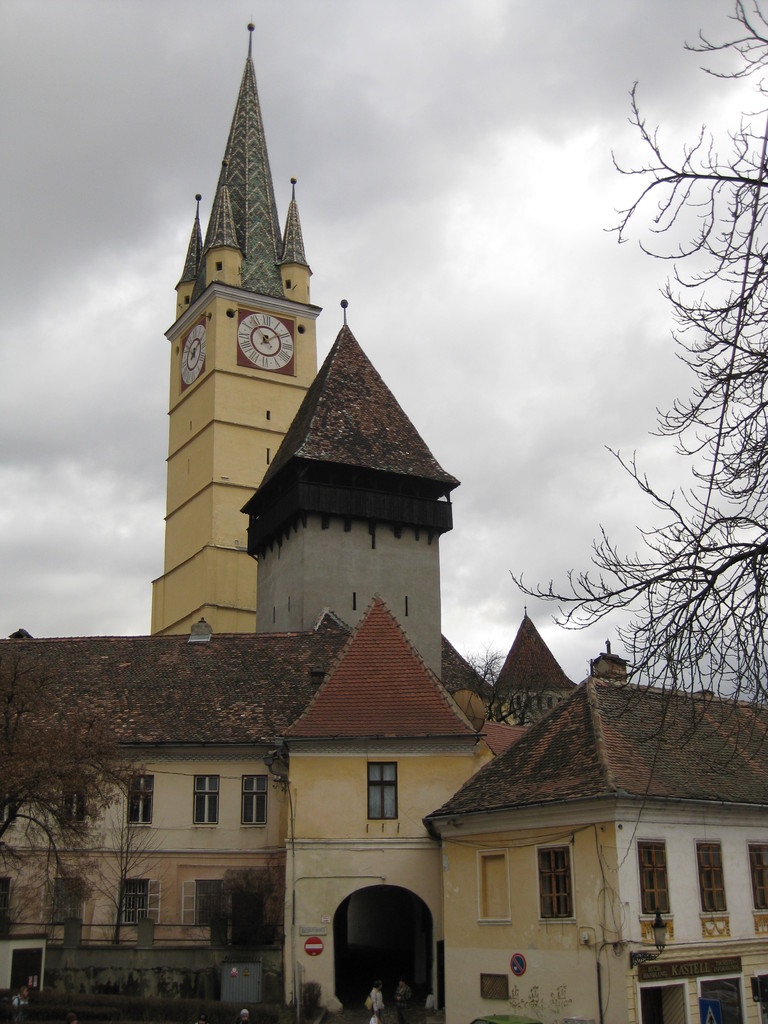
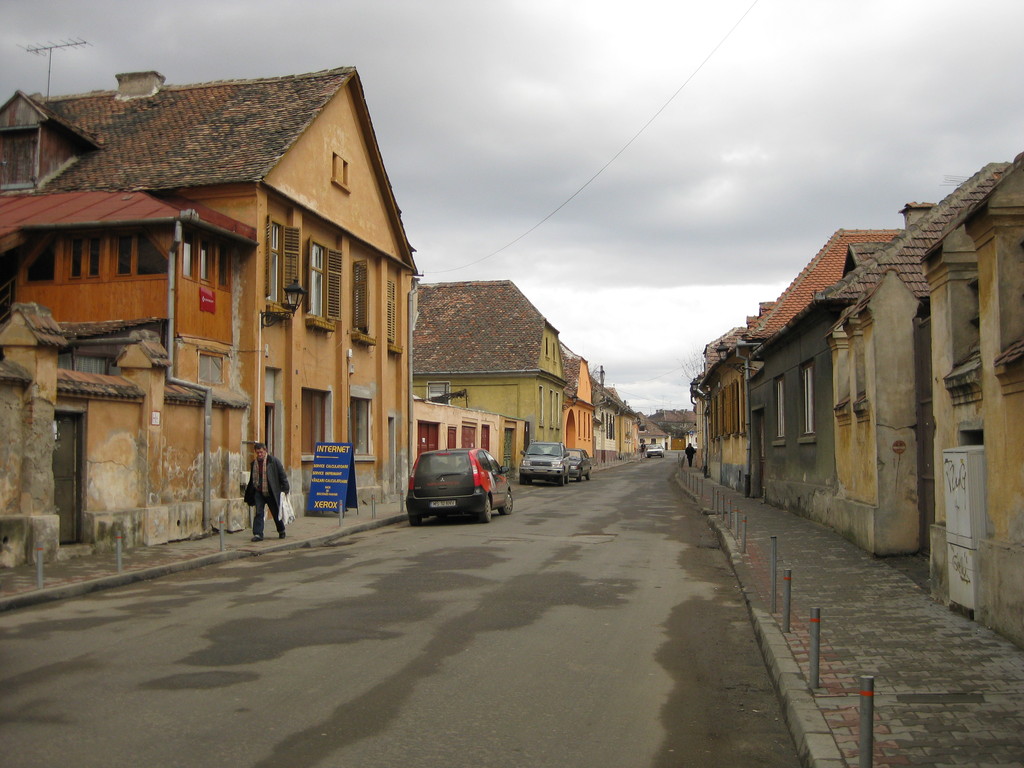
On the way to Sibiu I had to change trains in Mediaş (German: Mediasch). I didn’t know what I can expect of this city, as it was not covered by my guide book, but I decided to make a little break. My worst fear was, that it’s a city, built during communist times, only with grey block buildings. I was wrong, it’s another old city, built by German settlers, with a fortified church in the centre (more about fortified churches in my tale about Sibiu).

Sorry for my short description, next – about Sibiu – will be longer. Promise. Enjoy your time!

Medieval Braşov and Bran Castle

Donnerstag, Januar 29th, 2009

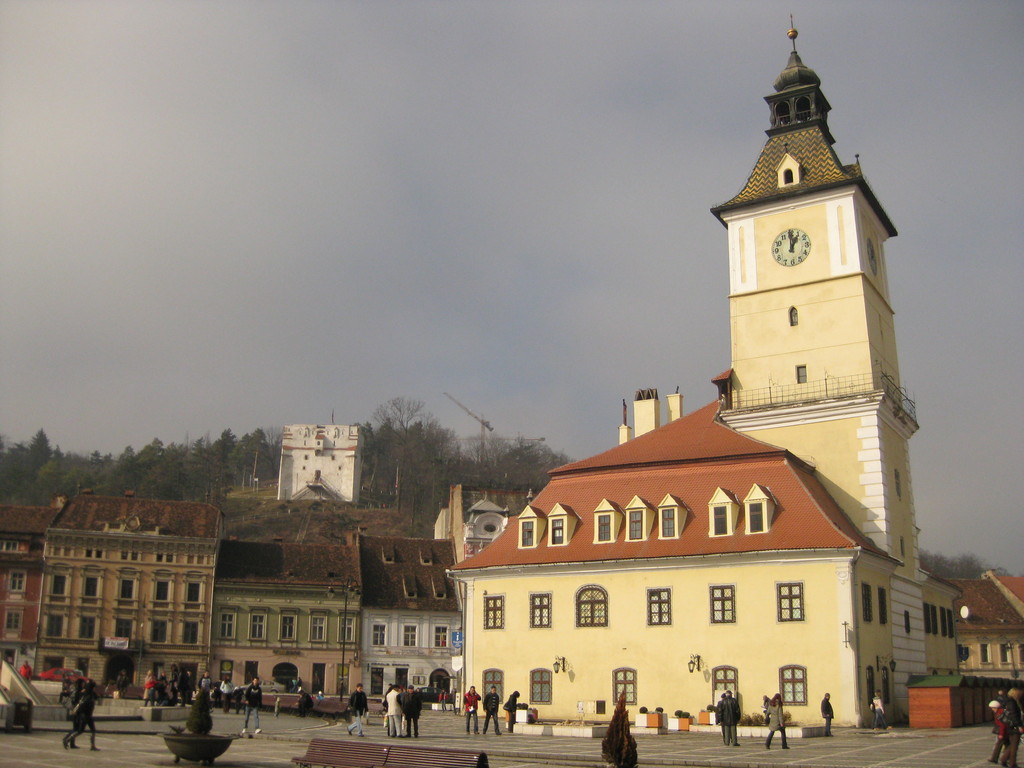
I think it was a good idea to leave Bucharest after two days, first I thought about staying three days. As I already wrote, my next destination was Braşov. It’s a city with about 280.000 inhabitants, in the central part of Romania, called Transylvania. Transylvania was settled by German colonists (the Transylvanian Saxons) in medieval times, Braşov was one of their settlements. Transylvania is called „Siebenbürgen“ in German, Braşov „Kronstadt“. The German population was very strong until the Second World War, you still can see many inscriptions in German language.
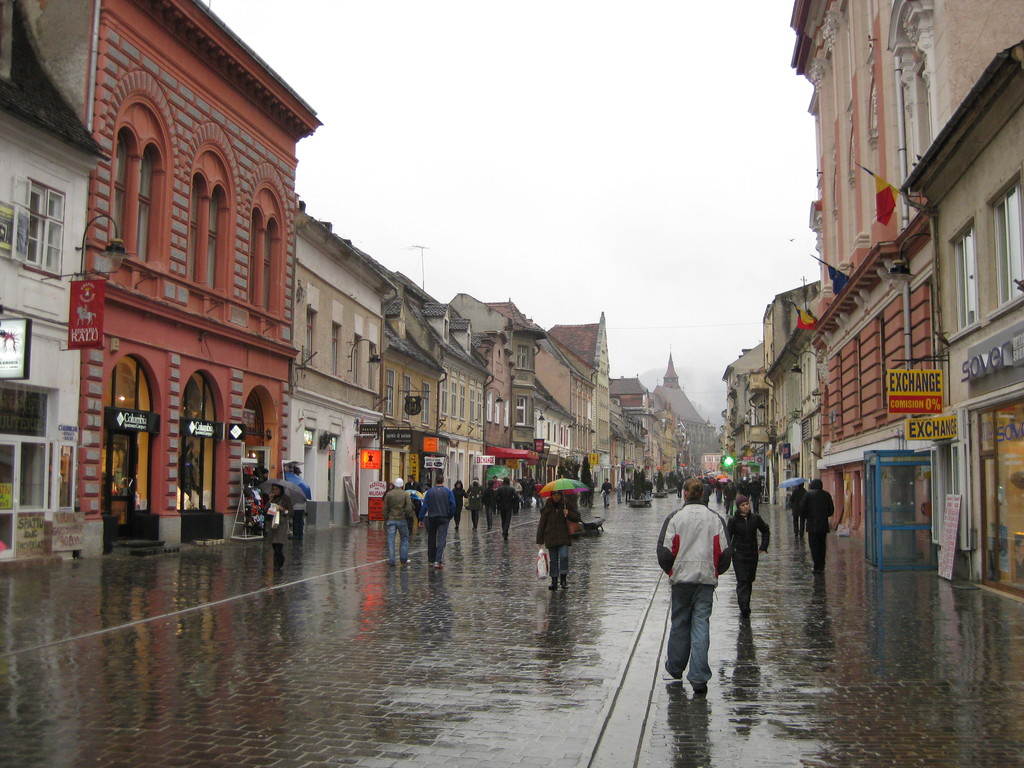
When I arrived in Braşov it was still raining and cold, therefore I just had a short walk around the city centre and searched for a coffee-shop where I can get dry and do stuff on the internet (Free Wireless Lan rules). I had to wait several hours until I could go to my CouchSurfers. The next morning it was very foggy, but in the afternoon the sun came out.
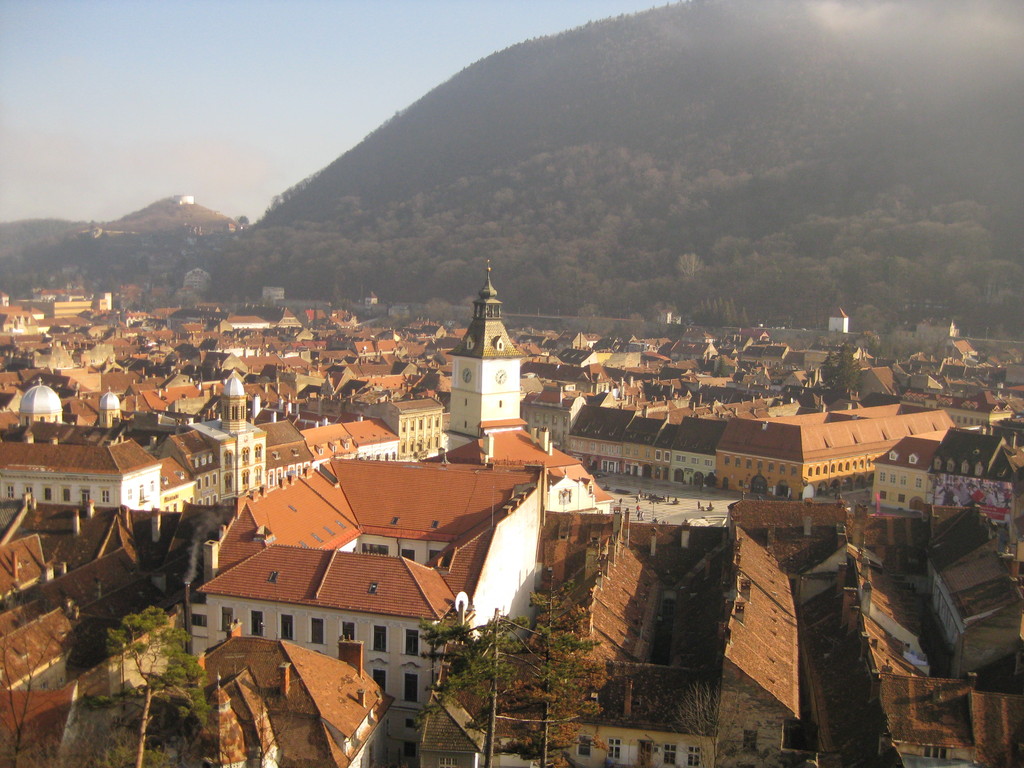
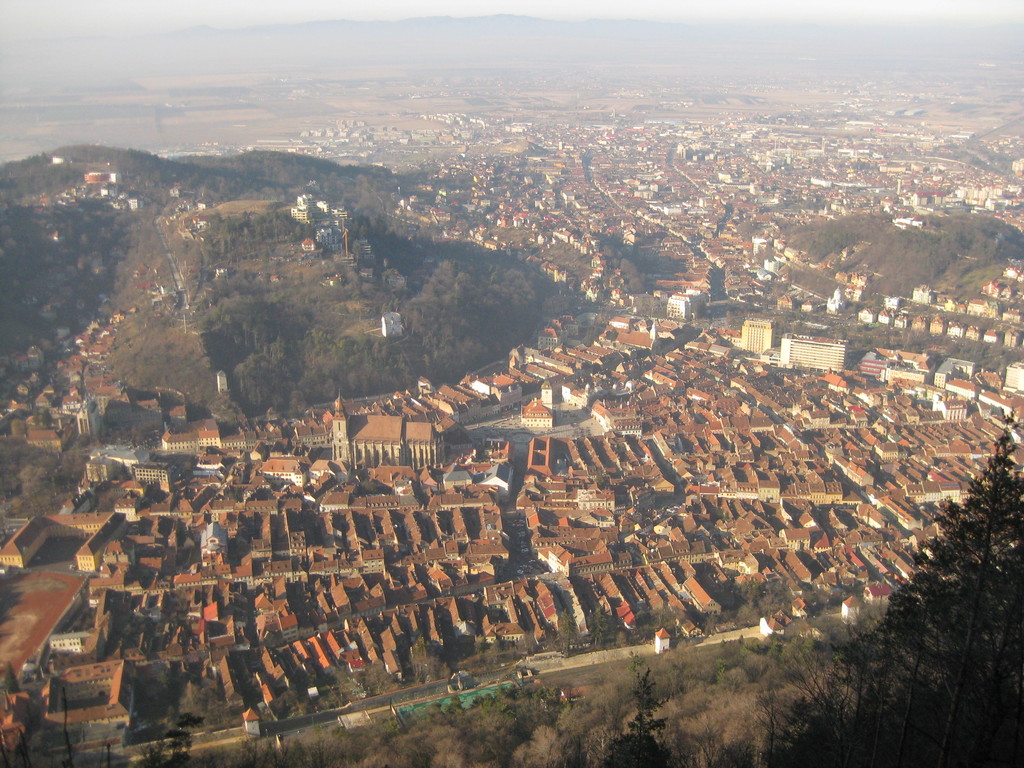
Braşov has a beautiful city centre, consisting of old houses. It reminds me on my hometown, Graz. It’s still surrounded by the original fortification walls on several places and some defense towers. On three sides the city centre is separated by hills from the outlying districts – which are not worth to see anyway as they were built in communist times and consist of block buildings.
One of the most impressive sights was the Black Church (built in 14th-15th century), the biggest Gothic church in Romania. It’s a protestant church, therefore everything is written in German language, even the new works of the children.

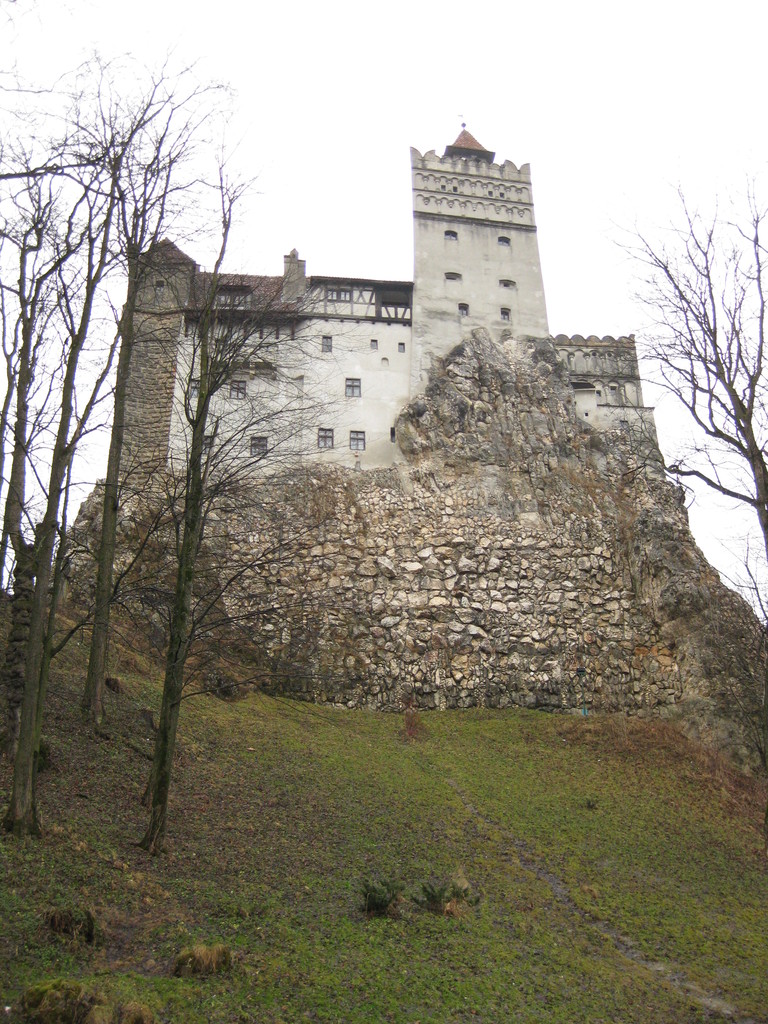
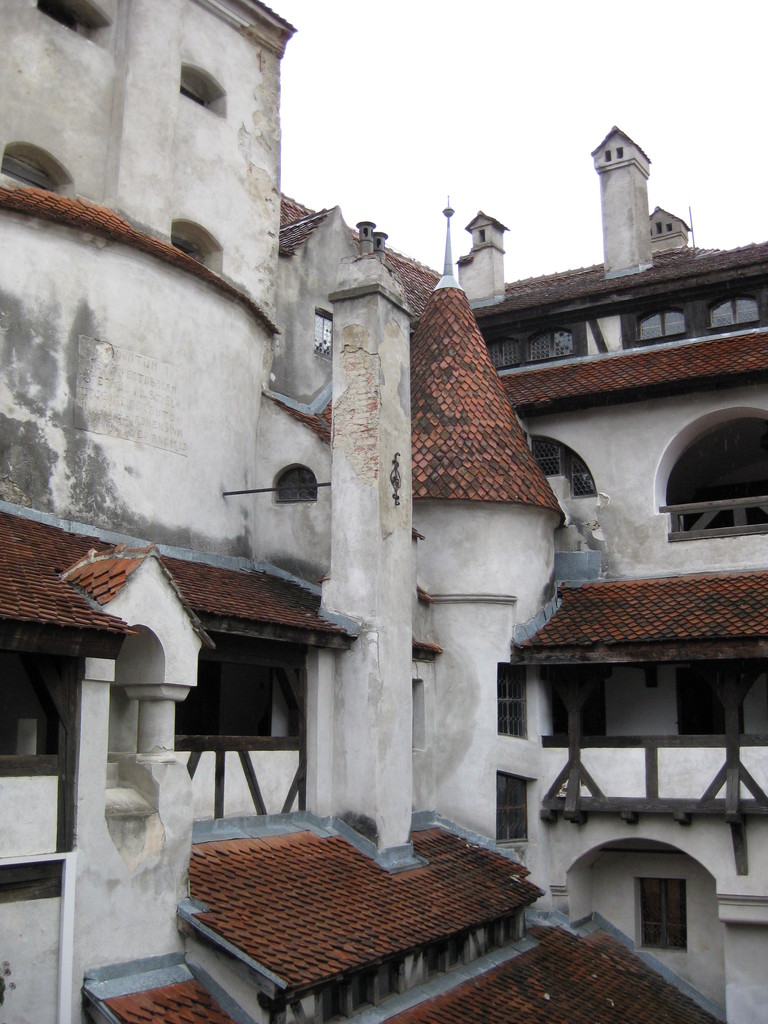
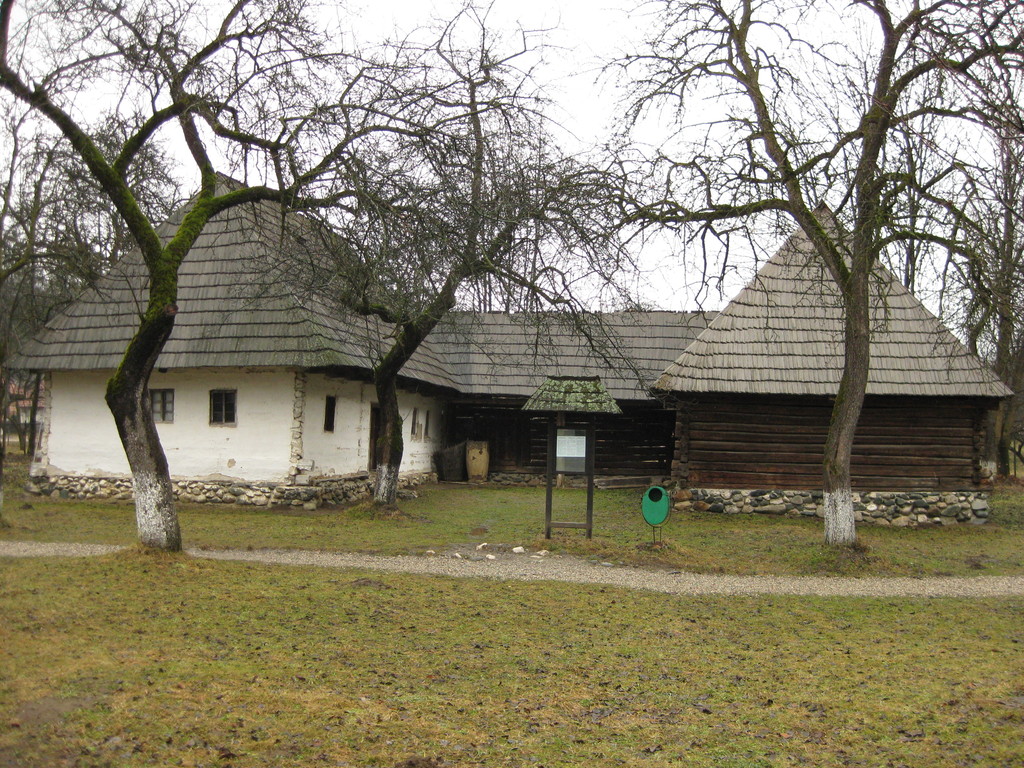
Before leaving to Sighişoara I went to see the Bran Castle – said to be one of the most famous castles in Romania. In my guide book it says that it’s „a bit of an anti-climax inside, elbowing your way through tourist groups“. I think it was a good idea to go there in January, it was really calm and I just met a bunch of other people (and a lot of cleaning personnel). It’s definitely worth the 1,50 EUR entrance fee for students (it wouldn’t be worth 10 EUR), it’s totally rambled, you can dream about hidden rooms and staircases. Outside there’s a village museum, displaying old farm houses of the surrounding area. Sadly you can’t see them from inside.

As I said, next is Sighişoara, UNESCO World Heritage Site, and then Sibiu (Hermannstadt) one of the two Cultural Capitals of Europe in 2007. I hope you liked my text and my pictures.

Gigantomanism in Bucharest

Montag, Januar 26th, 2009

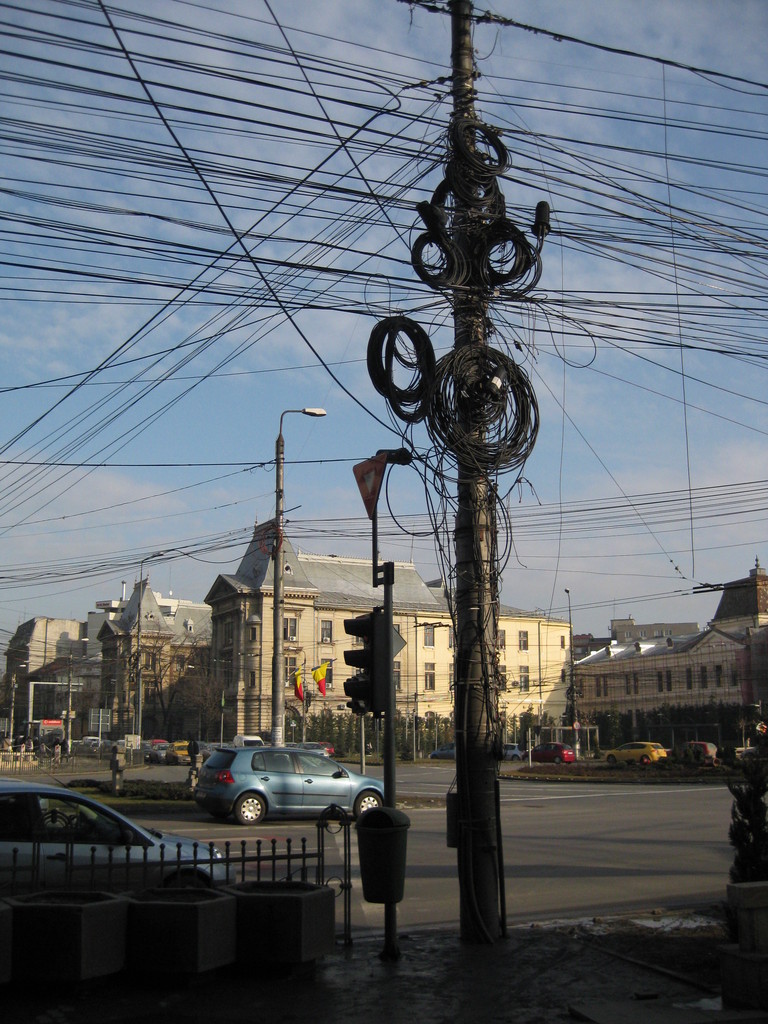
After good sleep in the night-bus to Bucharest (the only notable thing was the bridge over the Danube – which is the border between Bulgaria and Rumania – near Russe. A narrow bridge with steep inclines on both sides – it looked rather frightening in the night), I spent two full days in this city. I had always thought, that Bulgaria and Romania are pretty similar – but apparently I was totally wrong. The language (Romanian is – surprise – a roman language) is not the only difference. The faces look different, as do the buildings.
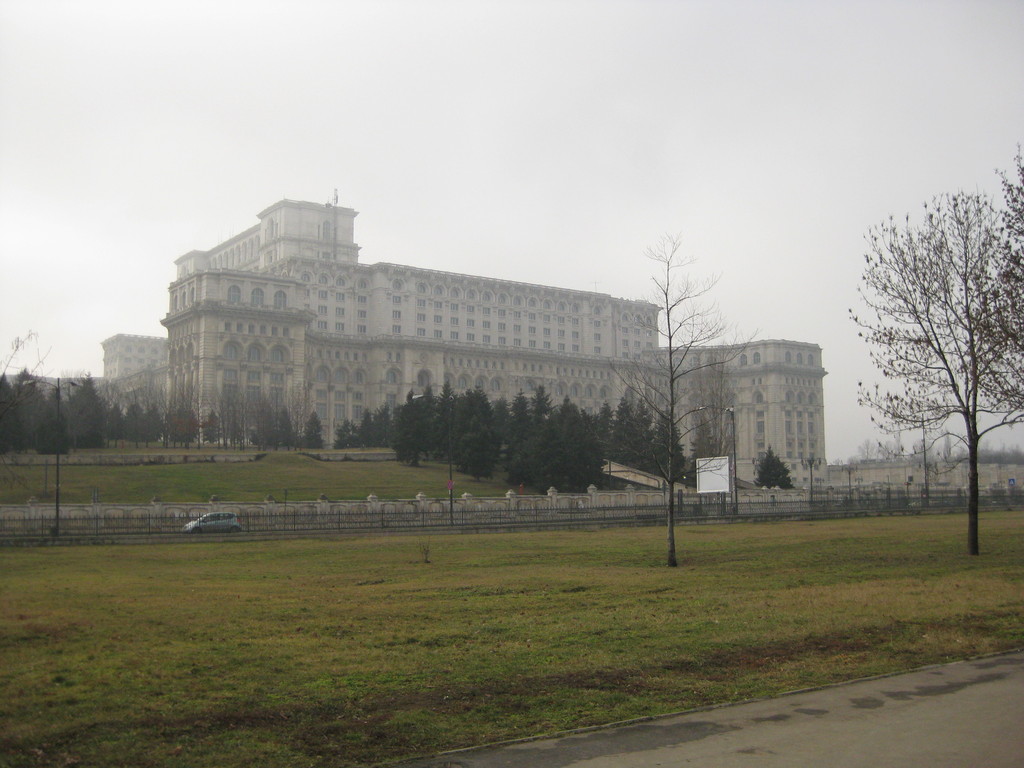
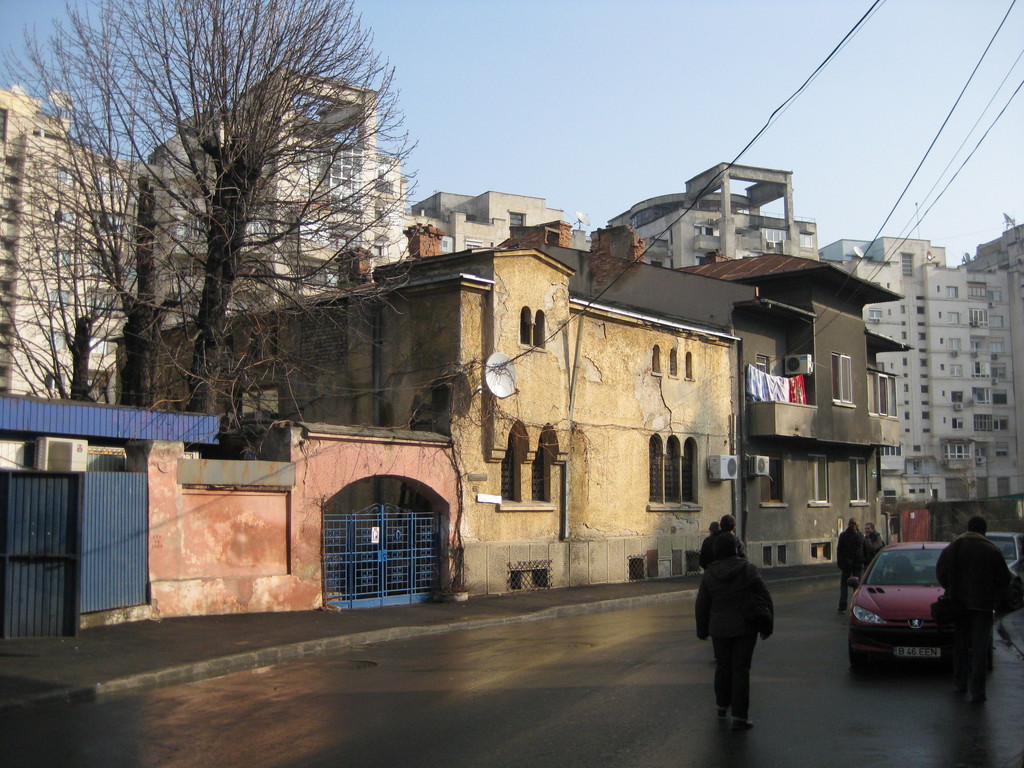
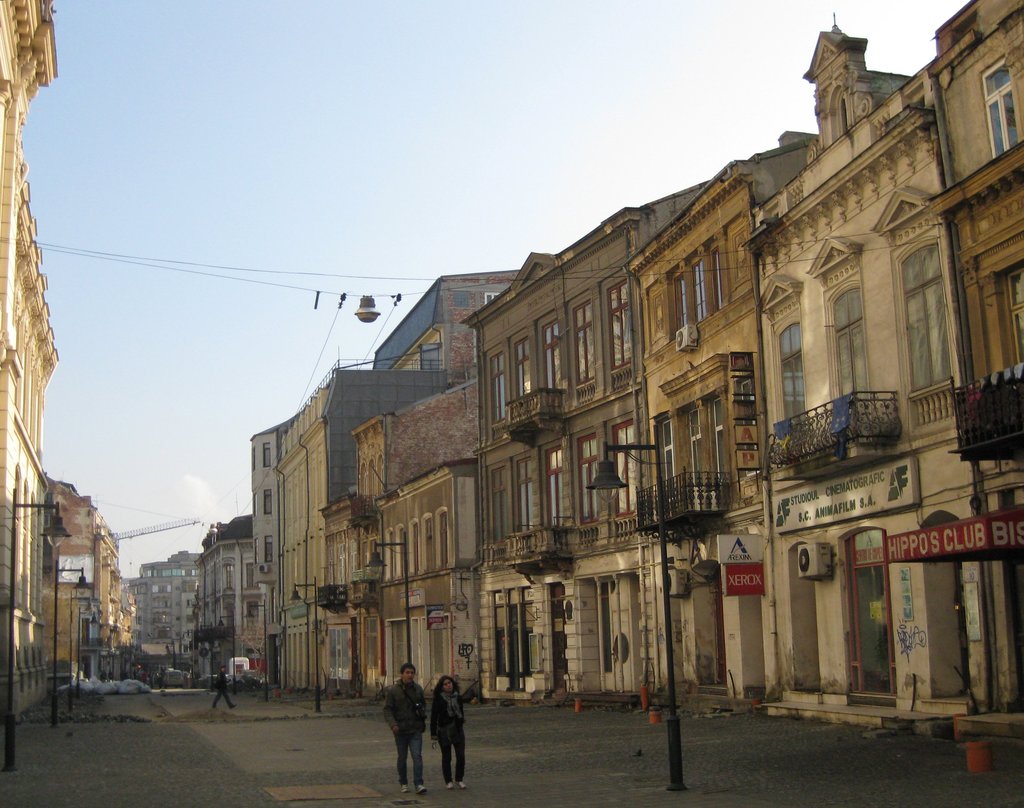
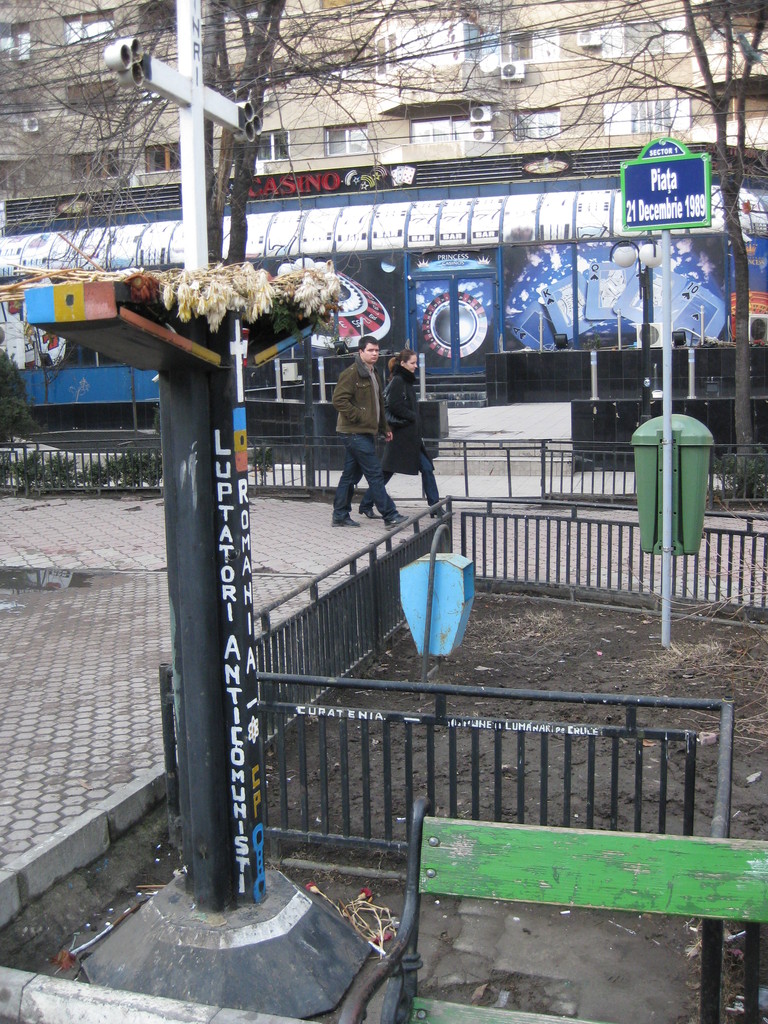
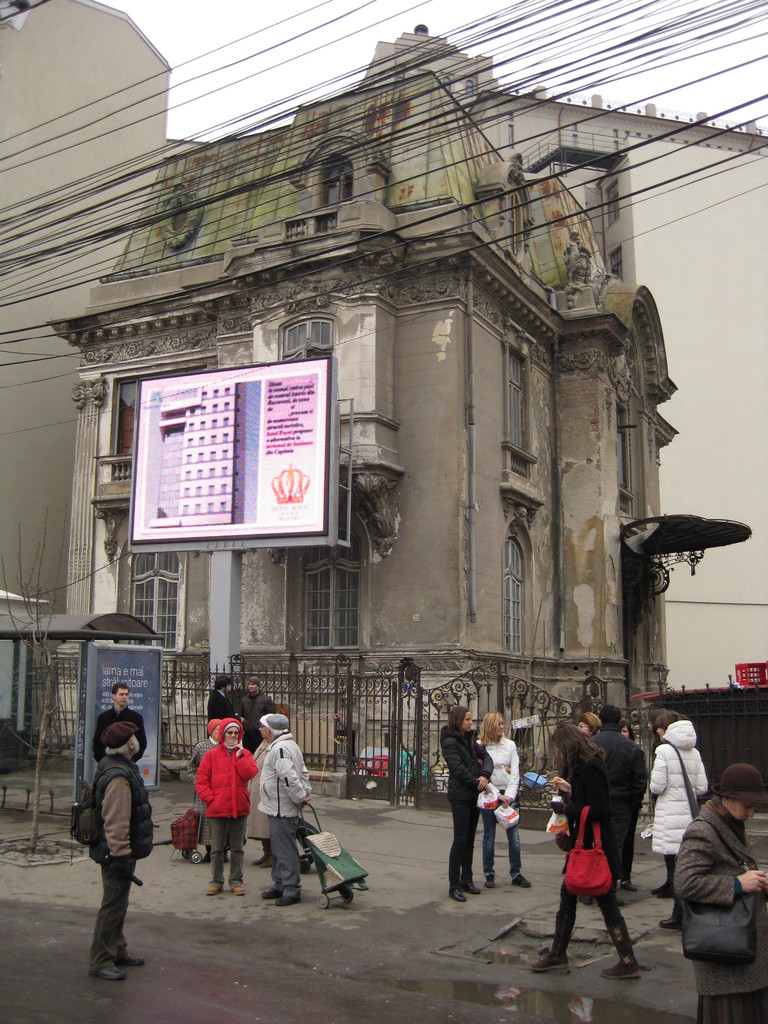
Bucharest is a city full of contrasts. Nicolae Ceauşescu, the infamous leader of Romania between 1965 and 1989, tried to turn it into the „Paris of the East“. Huge boulevards cross the city, lined by monotonous block buildings. Boulevard Unirii (Unirii = Union) starts at the Palace of Parliament, which is said to be the second-largest building of the world after the Pentagon, and goes 3,2 km to the east – 6m longer than it’s prototype, the Champs-Elysee in Paris. If you go just one street behind these blocks, you can see the old structures – little churches, neat two or three story buildings – in various states, some of are empty and torn-down, some newly renovated.

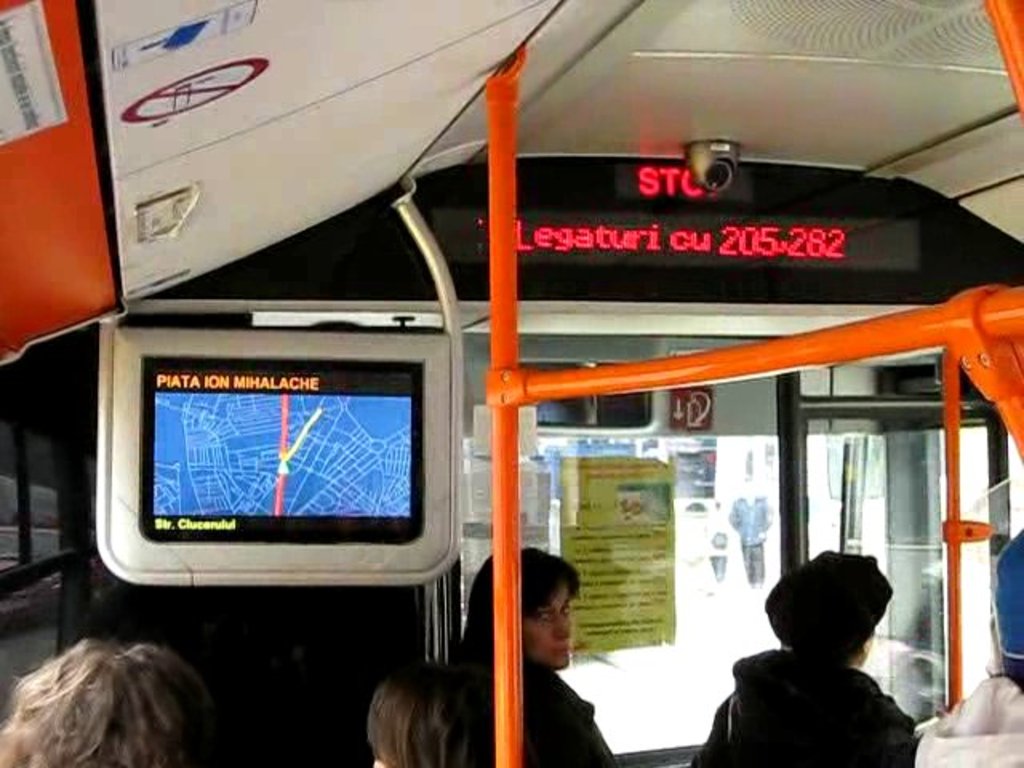
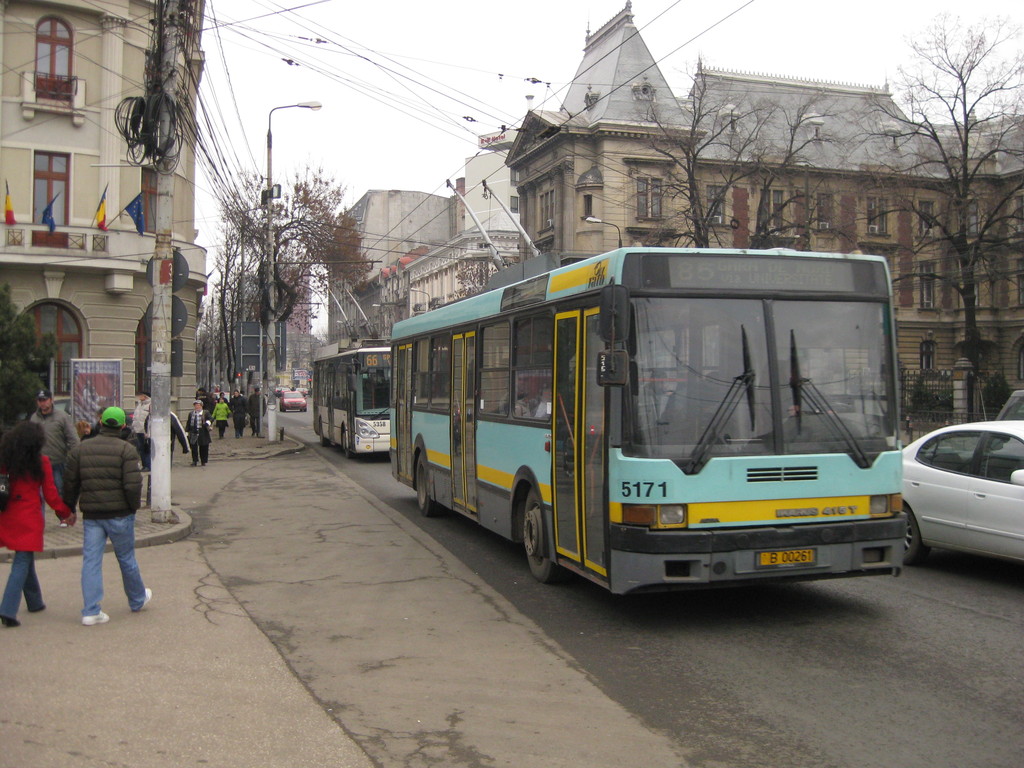
Bus stops are hard to find – often there’s just a small sign with the name of the station and the list of line-numbers. If there’s a shelter at the stop (which is pretty common) you usually can find a map of the routes in Bucharest. No schedules, no information about coming buses. In contrast the information system in the buses belongs to the best I’ve ever seen. LED-displays inform about the next station and possible interchanges. Many buses also host an additional screen, which shows the exact position of the bus on a map and cycle through surrounding streets by highlighting them. In Bucharest there are also trams, trolleys and some metro lines.

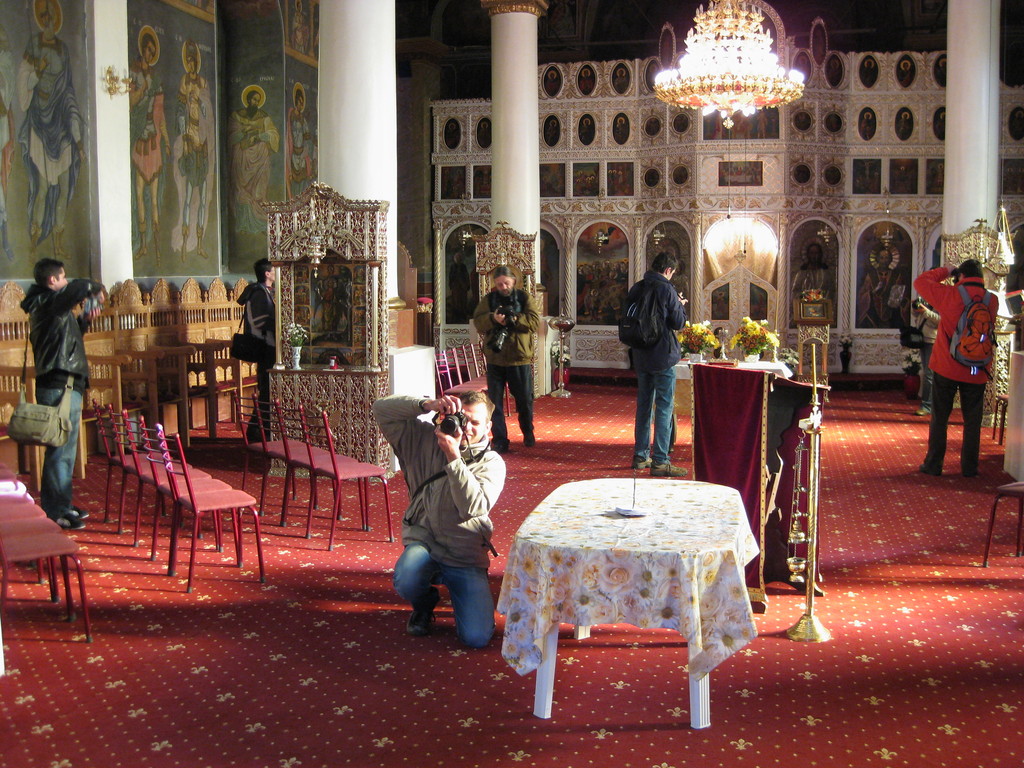
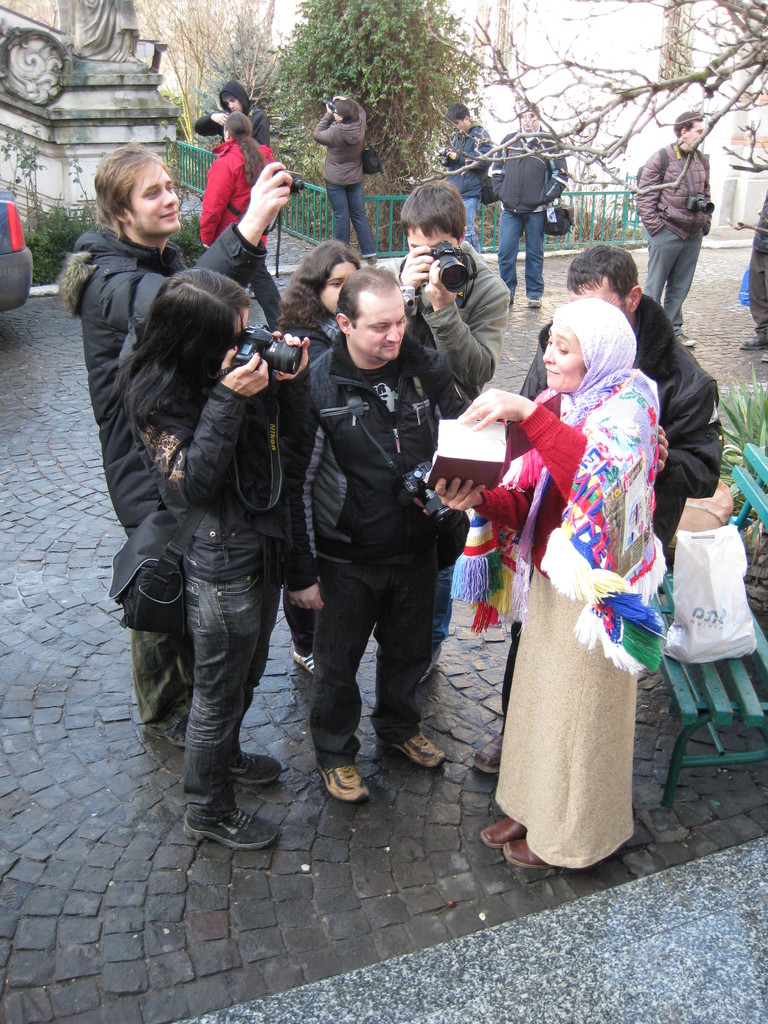
Most of Saturday we (I was couchsurfing, which was a good experience again) spent with a group of photographers, who meet regularily to explore parts of the city together. The best was to see the reactions of the people living there, as the group of over 50 photographers invaded their neighbourhoods and took pictures of everything. The weather was just right for taking pictures, sunny and pretty warm.

On Monday, on the way to Braşov, I went to Sinaia, a small town famous for host two interesting castels. The nice thing: I met some U.S. peace corps volunteers, currently staying in Marocco and had a nice time with them. The bad thing(s): It was cold and rainy and the castles were closed, so we didn’t even bother to go there. And the town looks like a typical hotel ressort … Not very pleasing. So I took an earlier train to Braşov … but this is another story …

You will find more pictures on my photo pages, but please check again later ;)

Trip to Lakatnik and busy studying

Freitag, Januar 23rd, 2009

This week I had two exams and one home-work … It all went pretty well. Now, I have a longer break, which I will use for traveling … My goal is the Northern neigbouring country, Rumania. I already have a reservation for a bus tonight and a CouchSurfing-host for the first days. I’m planning to come back to Sofia on the 6th of February, so I have nearly two weeks to explore this country. Then on the 9th of February a friend from Vienna will visit me … I’m already looking forward to this.

One of the classes that I had last semester was „Contemporary Europe“, where we learned about organization and – more interesting – about Policies of European Union (or better European Commission). If you don’t know about these, you should check out ec.europa.eu, it’s really interesting, and there’s a lot of information online.

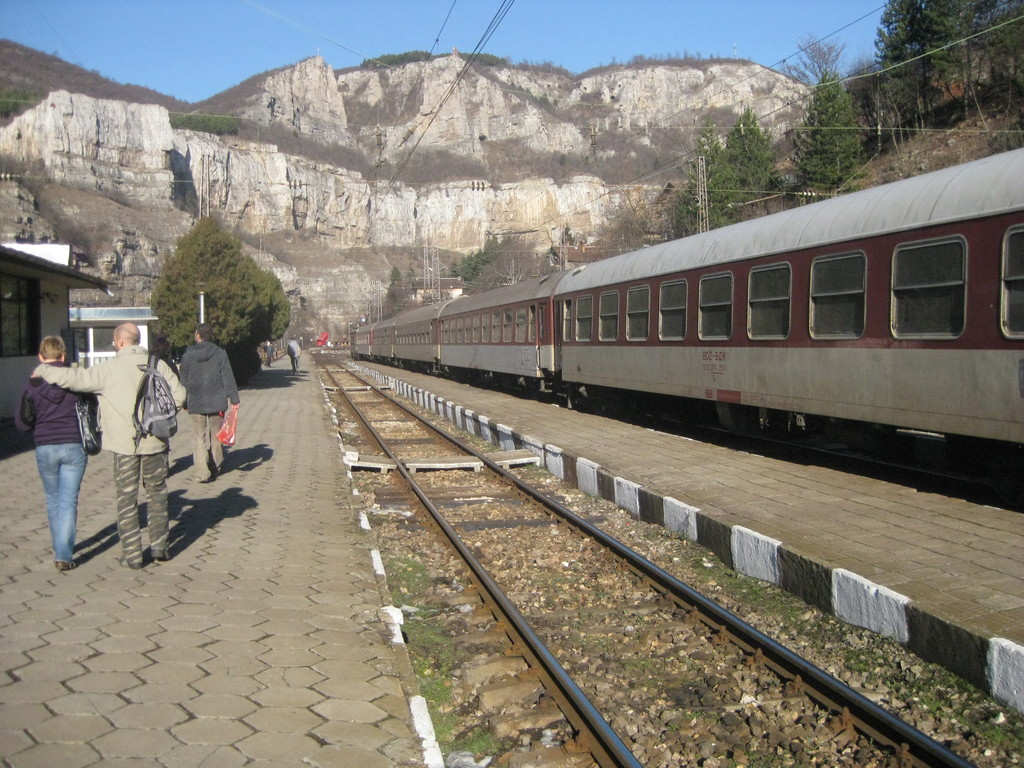
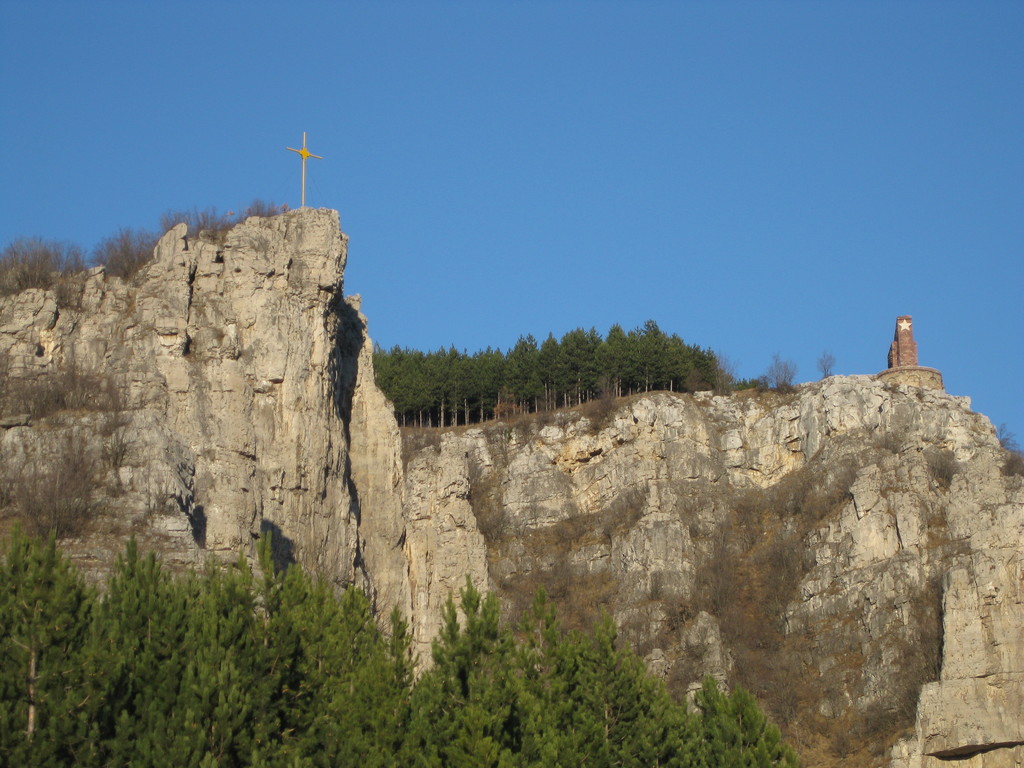
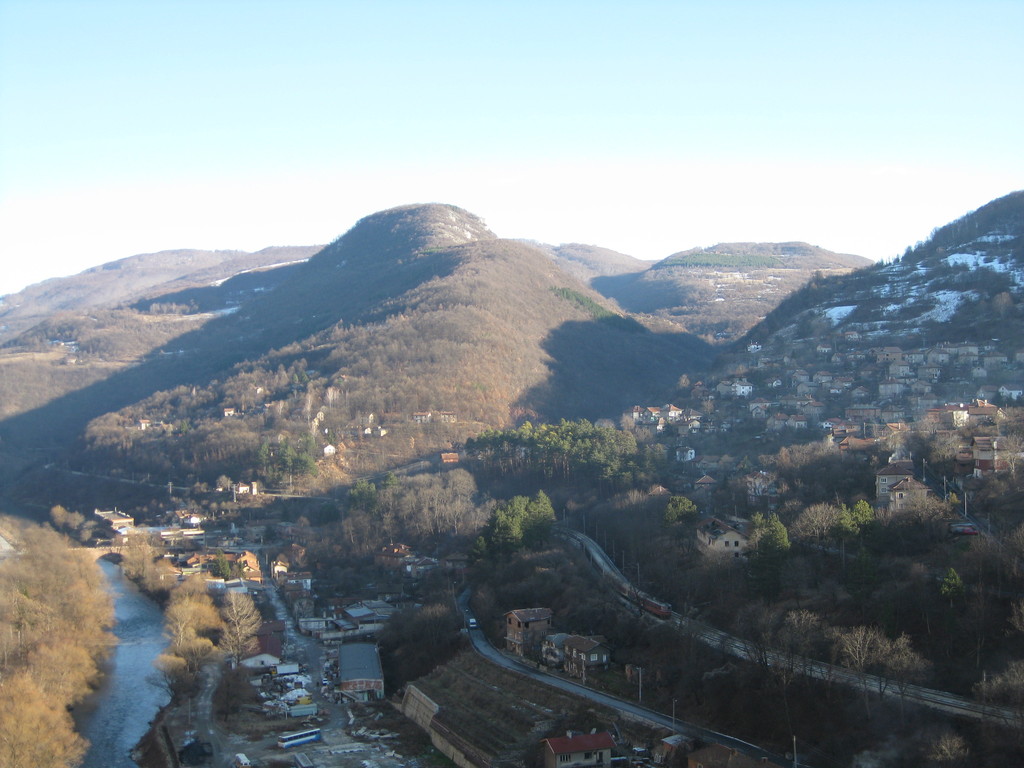
So, to end this short blog entry, before I vanish to foreign countries (ok, I’m already in a foreign country, but at least it’s a different one), I want to show you some pictures of last weekend – we did a short trip to Lakatnik, about one hour by train North of Sofia.

You can find some more pictures on my photo pages again.

One more thing happened: Yesterday I lost the filling of one of my teeth … thanks to one flat-mate I could find a dentist and it’s already been fixed :)

Istanbul and short visits to Veliko Tarnovo and Svishtov

Mittwoch, Januar 21st, 2009

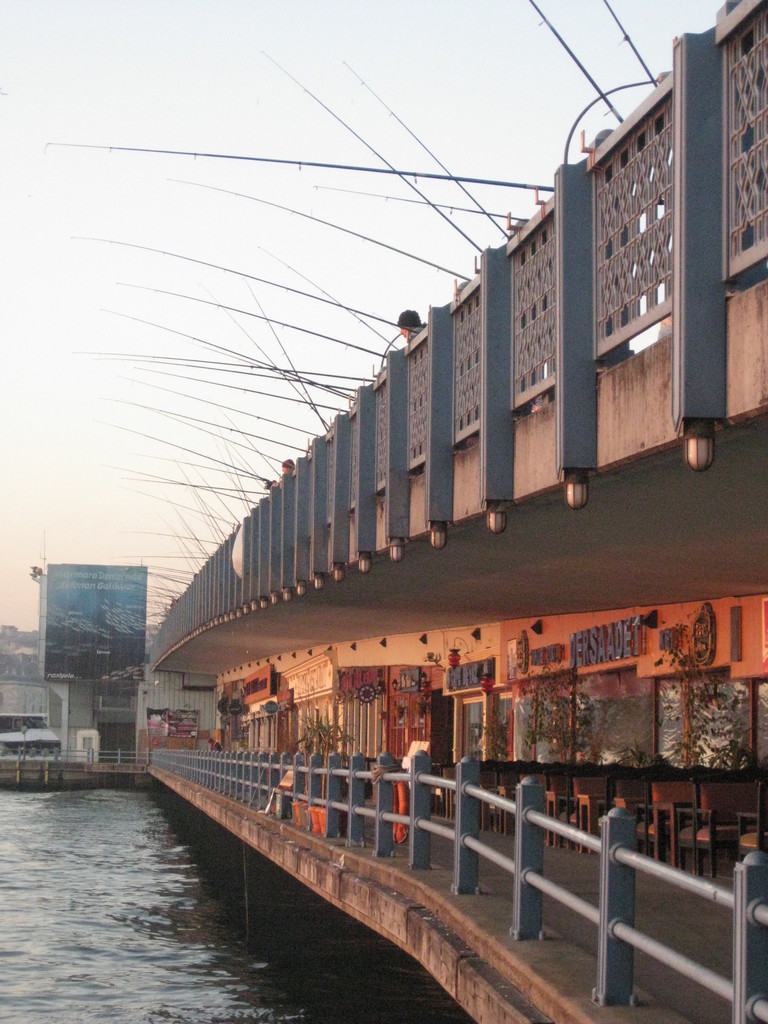
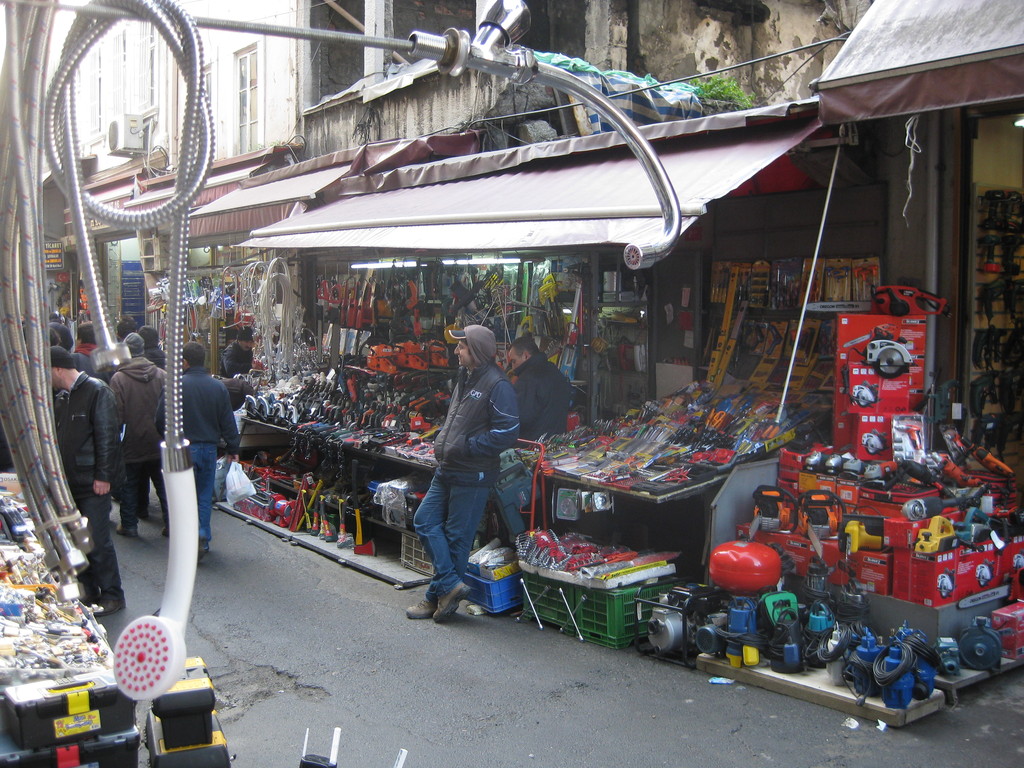
I used to end of my visa to Turkey for a second visit to Istanbul, together with two friends, Marie and Ewa. I was a little bit concerned before, if I really want to go again, at least it’s a long travel and I’ve already seen a lot. But it’s really a city worth to see (again). The streets are full of life, there are so many interesting views. What surprised me again and again, that people selling things on the street are artists. They all have their own way of advertising their things by shouting, but also arranging their things in a special way. And usually they don’t insist too much (But now I can’t hear „Excuse me, can I ask you a question?“, „Where are you from?“ any more). But they are all men …

This time we didn’t have so much stress to see all the sightseeing spots, we spent most of the time walking around and feeling the city … and shopping.

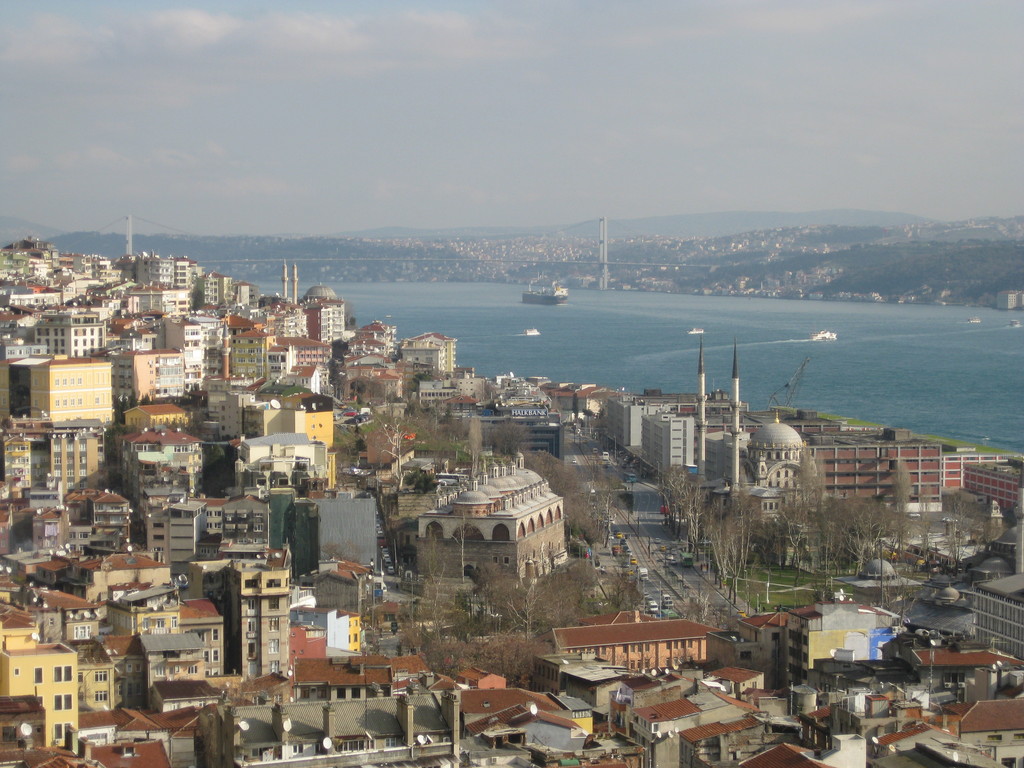
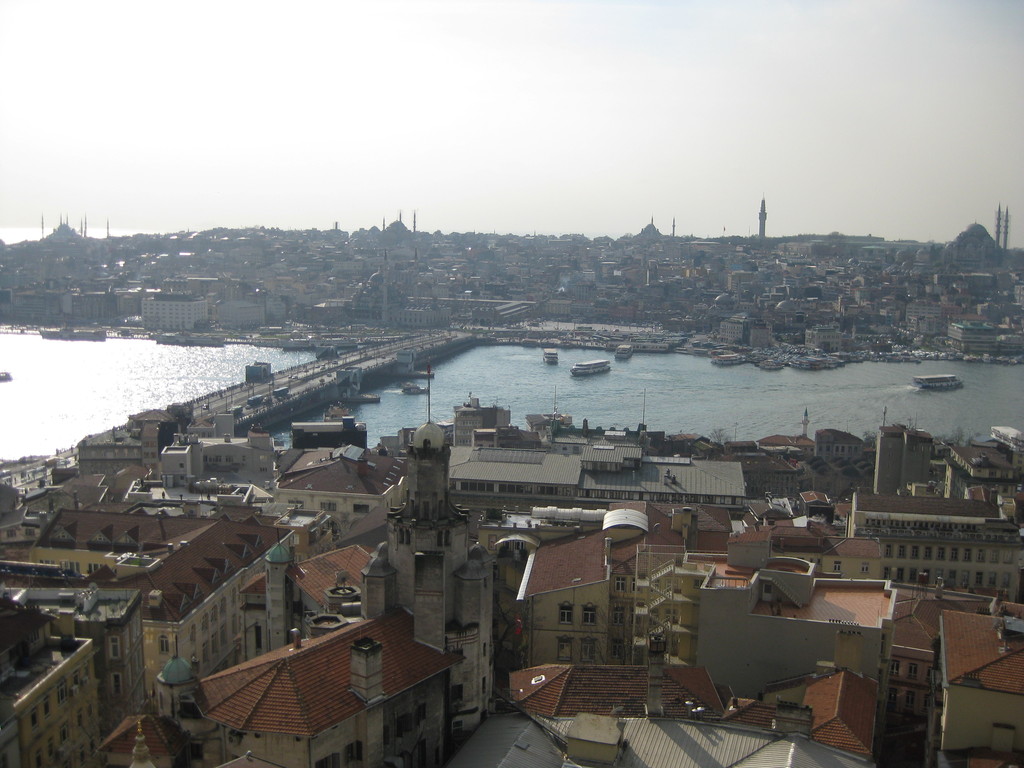
If you go to Istanbul, you should definitly go to the Galata Tower, the view from their is fascinating. And with an entrance fee of 10 Lira (5 Euros) it’s comparable cheap.

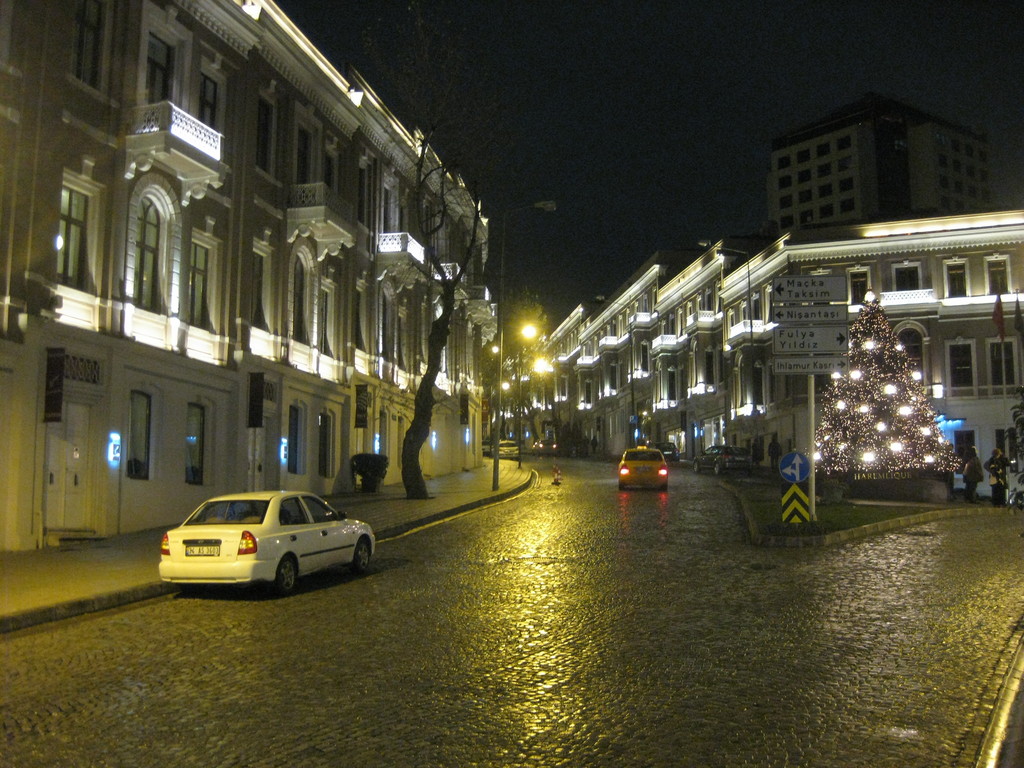
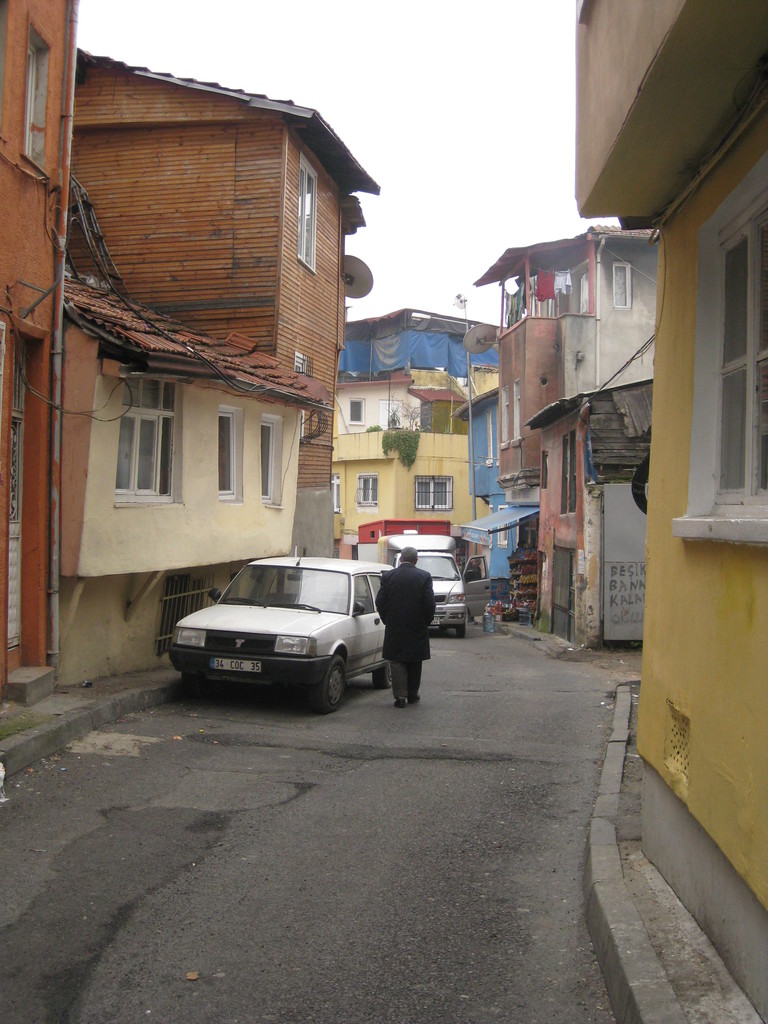
One morning, when my friends went to Aya Sofia which I’ve already seen before, I spent in the area around Taksim Square and Istiklal Street, the most European part of Istanbul (you can also see a lot of women there), taking pictures of city landscapes.

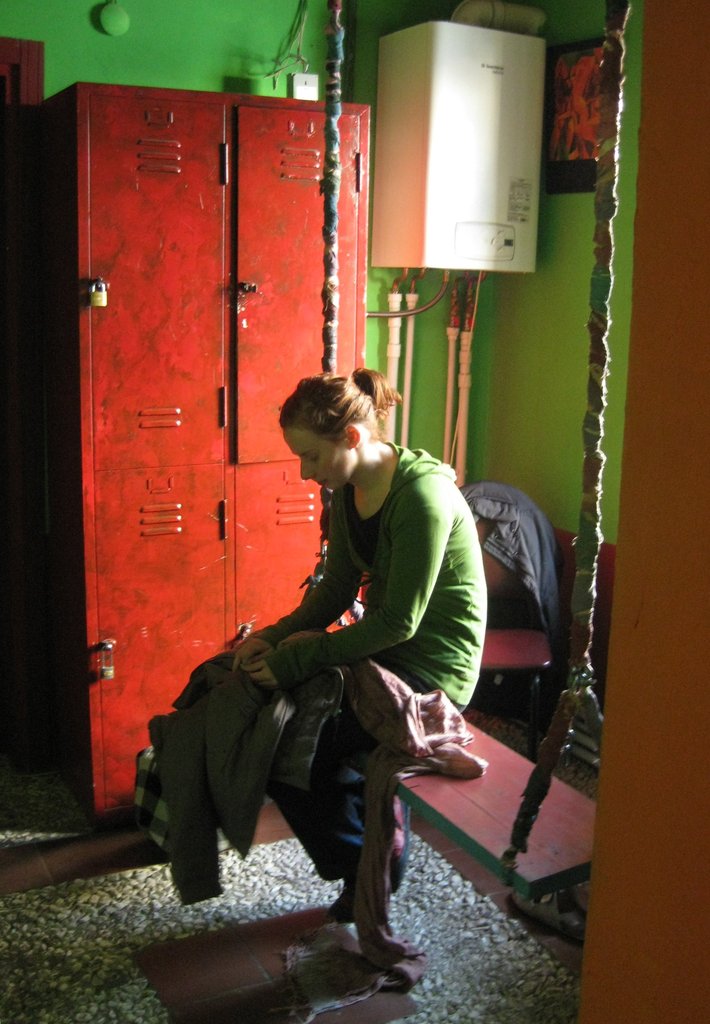
Our hostel (Chillout Cengo) was also located in the area. Very colorful and nice place, and very cheap. I can really recommend it. One evening we went to a pub after we heard good live music from the window – „The Beatles“ (the name of the pub, not of the band, although I would really have enjoyed to see the Beatles – but I think, I’m too young for this). The surprising thing: They didn’t serve alcohol there, everybody was drinking tea. And smoking.

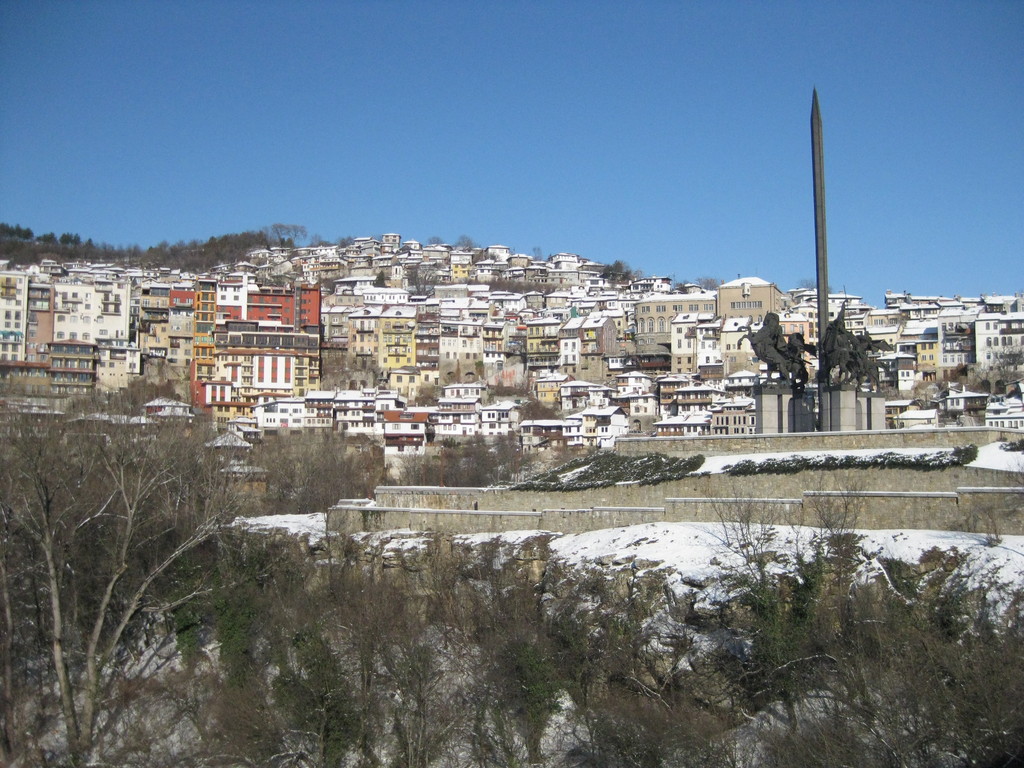
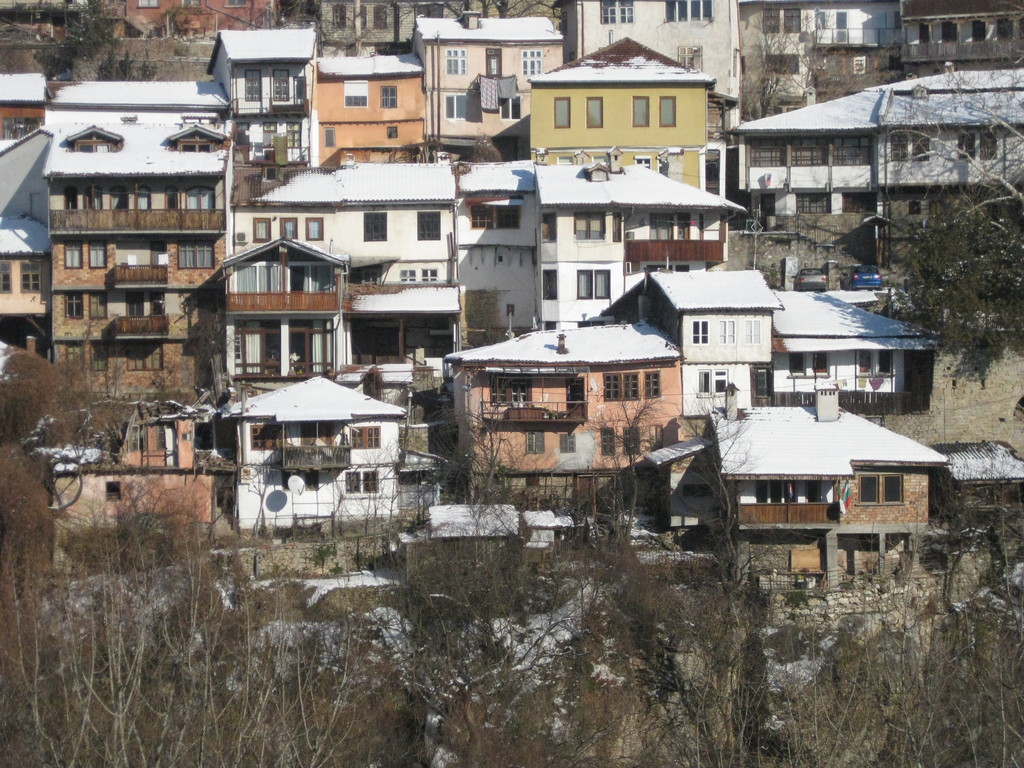
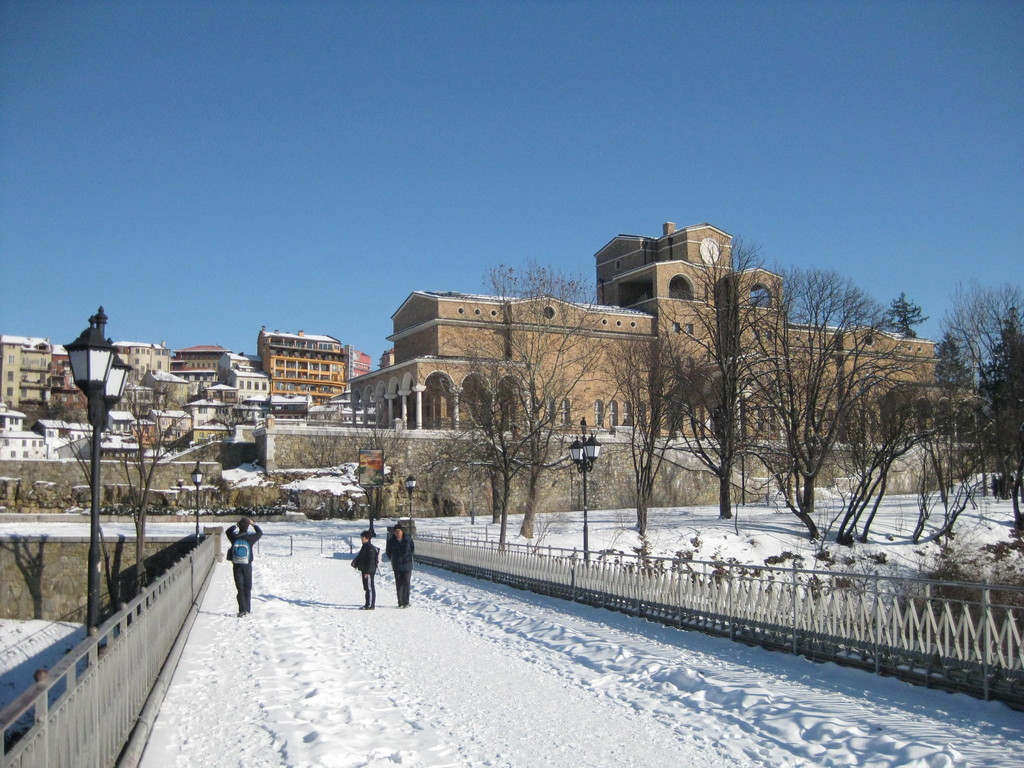
The day before we went to Istanbul I spent in Veliko Tarnovo again. I already told some things about this place in early November. It’s a wonderful place situated in a meander of the river Yantra. And it’s surprisingly difficult to take pictures there, you need the full view and the impression of distances.

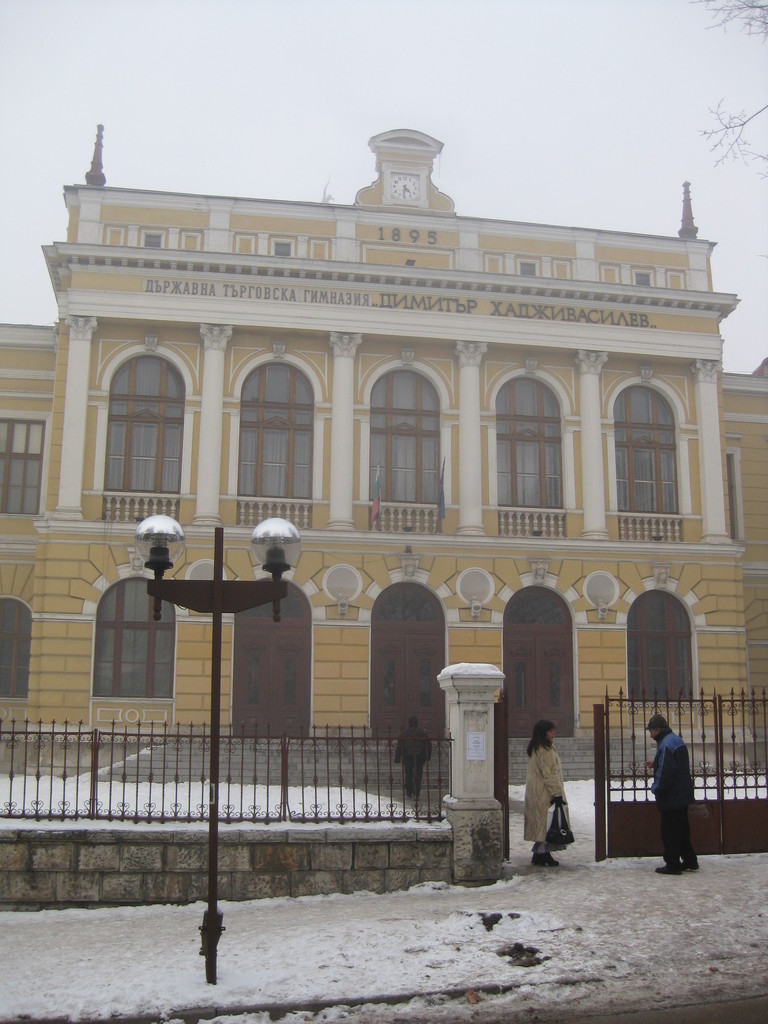
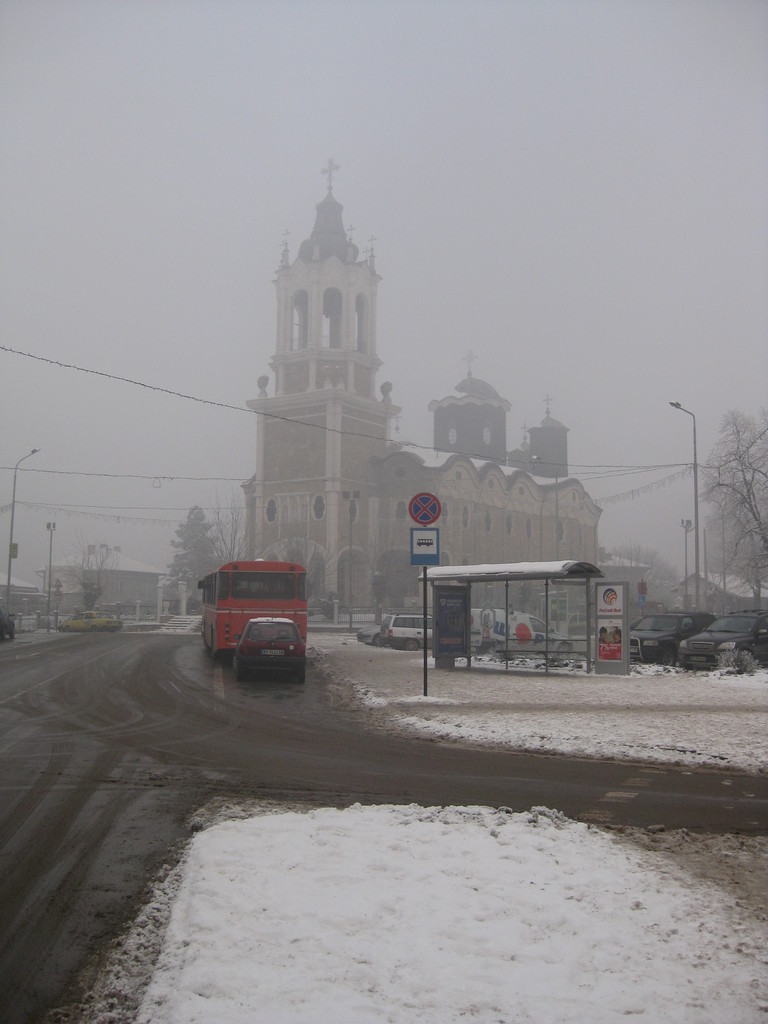
After Istanbul I joined Marie for a day to Svishtov, a small town in the North of Bulgaria, located at the Danube river (which we couldn’t see because of heavy fog). Our bus back from Istanbul went to Veliko Tarnovo, where we arrived around 5am. It was „fucking“ cold, and we walked to another bus station for the bus to Svishtov (we could have taken a taxi, but then we would have waited at the other bus station for an hour, which would have been even worse). What to say about Svishtov? It has a university and therefore a lot of students, which brings life to the city. It’s at the Danube and has a port and some industry. There’s a high school which is said to be a copy of the University of Vienna (at least not the main building, but for sure it looks ‚Austrian‘).

You can see more pictures of this journey on my photopages.

After these days I decided to stay some days in Sofia. There’s some work to do at university (exams and home work) and some social things (Erasmus party, concert of one flat-mate, …). Hope you liked my views from Istanbul and the Bulgarian towns.